
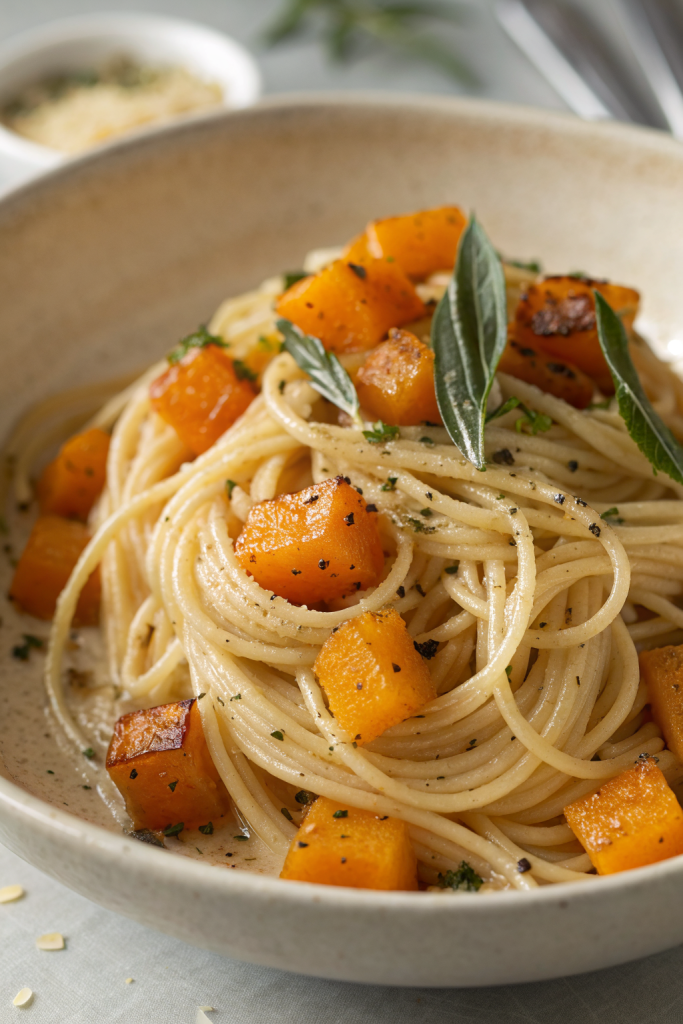
Baked Feta Butternut Squash Pasta Recipe tastes creamy, salty, a little sweet, and perfectly cozy, like mac and cheese that went to culinary school. It works well for busy weeknights or casual dinner parties and usually lands on the table in about 50 to 55 minutes. I tested this on a Tuesday when my sink already overflowed with dishes, so I promise this stays pretty low-stress.
Why Make This Baked Feta Butternut Squash Pasta Recipe at Home
This pasta packs a ton of flavor with very little hands-on work, since the oven does most of the heavy lifting. You roast the feta and butternut squash together, then toss everything with hot pasta so it turns into a silky, cheesy sauce.
The recipe uses simple pantry ingredients, so you can keep it budget friendly and weeknight friendly. It also reheats nicely, which makes it a strong meal prep option for lunches.
Creamy, cozy, and surprisingly easy, this Baked Feta Butternut Squash Pasta Recipe tastes like fall comfort in a bowl and feels restaurant-level without the fuss. ★★★★★
Ingredients You Need
Pasta
- 12 ounces short pasta
- Good options: rigatoni, penne, fusilli, cavatappi, shells.
- Whole wheat or chickpea pasta also works if you like extra fiber or protein.
Roasted feta and butternut squash
-
1 medium butternut squash
- About 2 to 2.5 pounds whole, which yields roughly 4 cups of 1 inch cubes.
- Use pre-cut butternut squash from the produce section if you want a shortcut.
-
8 ounces feta cheese, in a block
- Use a block in brine, not pre-crumbled, for the creamiest texture.
- Sheep’s milk feta tastes tangier, cow’s milk feta tastes milder.
-
3 tablespoons extra virgin olive oil
- Use 2 tablespoons for the squash and 1 tablespoon for finishing.
-
3 cloves garlic, minced or thinly sliced
- Jarred minced garlic works in a pinch, though fresh tastes brighter.
-
1 small red onion, sliced
- Yellow onion works too, but red adds a little sweetness and color.
-
1 teaspoon kosher salt, plus more for pasta water
-
½ teaspoon freshly ground black pepper
-
½ teaspoon crushed red pepper flakes
- Adjust to taste or skip if you avoid heat.
-
1 teaspoon dried thyme or Italian seasoning
- Fresh thyme or sage also tastes great; use about 1 tablespoon chopped.
Creaminess and finishing touches
-
½ to ¾ cup reserved hot pasta water
- This starchy water helps the sauce cling to the pasta.
-
2 tablespoons butter (optional but tasty)
- Use olive oil instead if you keep it lighter.
-
¼ to ⅓ cup grated Parmesan or Pecorino Romano
- Adds savory depth and saltiness.
-
1 small lemon, zested and juiced
- Brightens the rich sauce and balances the sweetness of the squash.
-
2 to 3 tablespoons chopped fresh herbs
- Good options: parsley, basil, sage, or a mix.
Optional add-ins
-
2 cups baby spinach or chopped kale
- Stir into the hot pasta to wilt.
-
½ cup toasted walnuts or pecans
- Adds crunch and a nutty flavor that pairs well with butternut squash.
-
¼ teaspoon smoked paprika
- Adds a subtle smoky note without meat.
Equipment
-
Large baking dish or casserole dish
- About 9×13 inches or similar size.
-
Large pot for boiling pasta
-
Colander
-
Cutting board and sharp knife
-
Wooden spoon or spatula
-
Microplane or fine grater for lemon zest and cheese
Tips & Mistakes
- Salt the pasta water generously so the pasta tastes seasoned from the inside out.
- Cut the butternut squash into even 1 inch cubes so it roasts at the same rate as the feta.
- Roast the squash long enough so it turns tender and caramelized, not pale and firm.
- Use a block of feta instead of crumbles so it softens into a creamy sauce.
- Toss the hot pasta with the feta and squash right away so the heat melts everything together.
- Add pasta water slowly so the sauce turns silky, not watery.
- Taste before adding extra salt because feta and Parmesan already bring plenty of saltiness.
- Stir in greens at the end so they wilt gently and keep some texture.
- Do not overbake the feta or it can dry out; you want it soft and scoopable.
- Avoid overcooking the pasta; keep it al dente so it holds up in the sauce.
How to Make Baked Feta Butternut Squash Pasta Recipe
Prep the oven and ingredients
- Heat the oven to 400°F and place a rack in the center.
- Peel the butternut squash, scoop out the seeds, and cut it into 1 inch cubes.
- Slice the red onion and mince or slice the garlic.
- Pat the feta block dry if it sits in a very wet brine so it browns better.
Roast the feta and squash
- Add the butternut squash and red onion to the baking dish.
- Drizzle with 2 tablespoons olive oil, then sprinkle with salt, pepper, thyme or Italian seasoning, and crushed red pepper.
- Toss everything so the vegetables coat evenly and spread into a single layer.
- Nestle the feta block in the center of the dish and drizzle it with a little of the remaining olive oil.
- Scatter the garlic around the squash, not directly on top of the feta, so it does not burn.
- Place the dish in the oven and roast for 30 to 35 minutes, until the squash turns tender and the feta looks soft and lightly golden on top.
Cook the pasta
- While the squash and feta roast, bring a large pot of salted water to a boil.
- Add the pasta and cook until al dente, following the package time as a guide.
- Scoop out at least 1 cup of hot pasta water and set it aside.
- Drain the pasta and keep it in the pot.
Build the sauce
- Take the baking dish out of the oven when the squash turns fork tender and the feta softens.
- Use a spoon to mash the feta gently and stir it into the roasted squash and onions.
- Add the butter and a splash of hot pasta water, then stir until the mixture looks creamy and saucy.
- Add lemon zest, a squeeze of lemon juice, and half of the Parmesan.
- Taste and adjust seasoning with more salt, pepper, or lemon juice as needed.
Combine pasta and sauce
- Pour the roasted feta and butternut squash mixture into the pot with the hot pasta.
- Toss everything together, adding more pasta water a little at a time until the sauce coats the pasta.
- Stir in the fresh herbs and any optional greens so they wilt slightly.
- Sprinkle the remaining Parmesan on top and drizzle with the last bit of olive oil.
Finish and serve
- Let the pasta sit for 2 to 3 minutes so the sauce thickens slightly.
- Taste one more time and adjust with extra crushed red pepper or lemon juice if you like more brightness or heat.
- Serve warm in shallow bowls with extra herbs and cheese on top.
Variations I've Tried
I swap the butternut squash with cubed sweet potato when I want a slightly earthier flavor and a bit more texture. I also tried a mix of butternut squash and cauliflower florets, which tasted great and added more bite.
I sometimes stir in a can of rinsed chickpeas with the pasta for extra protein and a little nuttiness. I also like a version with baby spinach and toasted walnuts, which adds color and crunch without extra effort.
If you avoid dairy, you can use a plant-based feta style cheese and a splash of unsweetened oat or cashew milk to loosen the sauce. I also tried a spicy version with extra crushed red pepper and a pinch of smoked paprika, which worked nicely when I wanted a little kick.
How to Serve Baked Feta Butternut Squash Pasta Recipe
Serve this Baked Feta Butternut Squash Pasta Recipe hot in wide bowls so the sauce pools around the noodles. Pair it with a simple green salad, roasted broccoli, or steamed green beans for a fresh, crunchy side. A cold sparkling water with lemon or a fruity iced tea balances the richness nicely. Top each serving with extra herbs, a squeeze of lemon, and a sprinkle of cheese for a cozy, finished feel.
How to store
- Store leftovers in an airtight container in the fridge for up to 4 days.
- Add a tablespoon of water or broth before reheating so the sauce loosens again.
- Reheat gently on the stovetop over medium-low heat, stirring often, until hot and creamy.
- You can freeze portions in freezer-safe containers for up to 2 months, then thaw overnight in the fridge and reheat with a splash of liquid to bring the sauce back to life.
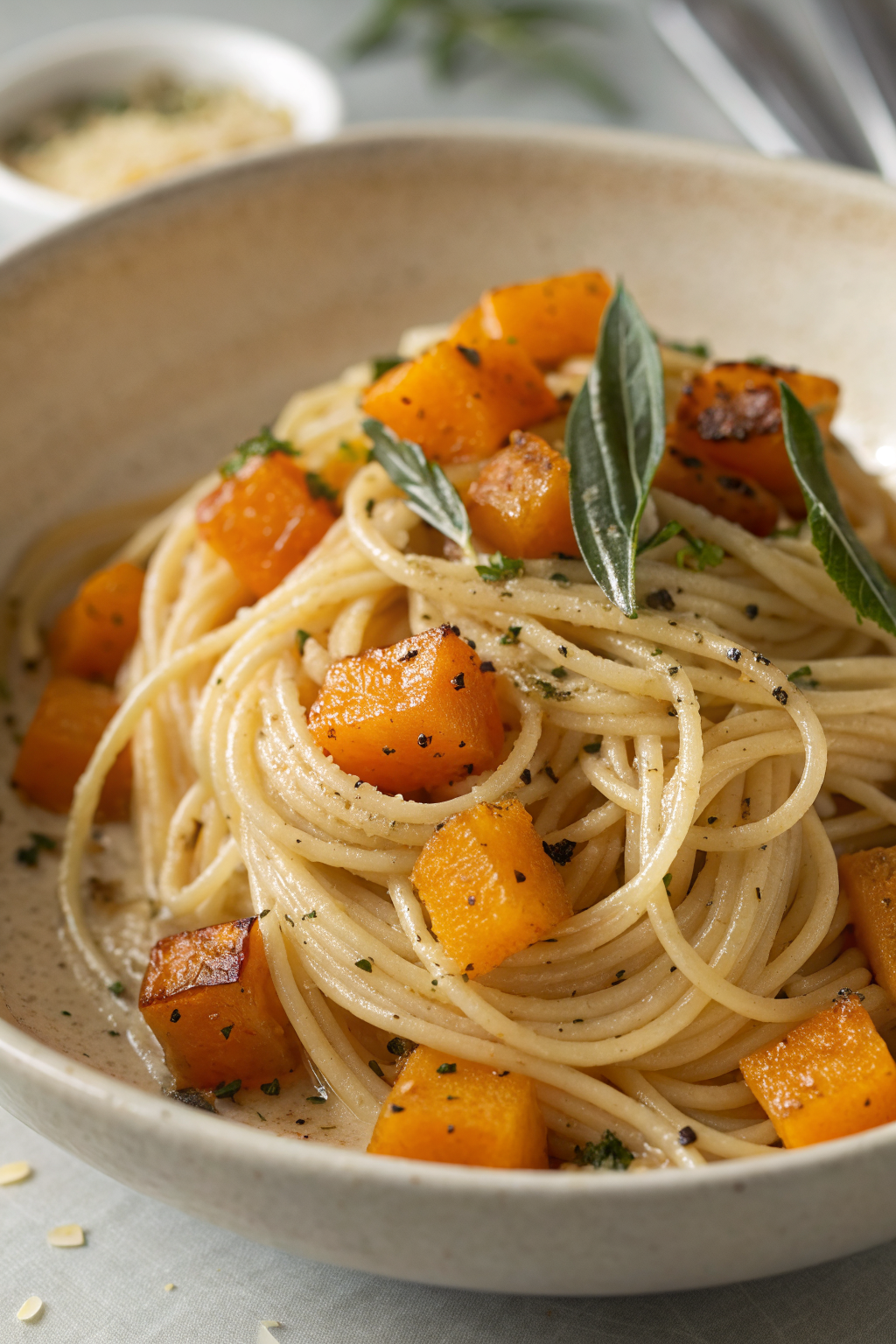
Baked Feta Butternut Squash Pasta Recipe
Ingredients
Method
- Heat the oven to 400°F (200°C) and place a rack in the center.
- Peel the butternut squash, scoop out the seeds, and cut it into 1 inch cubes (about 4 cups).
- Slice the red onion and mince or thinly slice the garlic.
- Pat the feta block dry if it is very wet so it browns better.
- Add the butternut squash and sliced red onion to a large baking or casserole dish (about 9x13 inches).
- Drizzle with 2 tablespoons of the olive oil, then sprinkle with kosher salt, black pepper, dried thyme or Italian seasoning, and crushed red pepper flakes if using. Toss to coat and spread into an even layer.
- Nestle the feta block in the center of the dish and drizzle it with a little of the remaining olive oil.
- Scatter the garlic around the squash, avoiding directly on top of the feta so it does not burn.
- Roast for 30 to 35 minutes, until the squash is tender and caramelized at the edges and the feta is soft and lightly golden on top.
- While the squash and feta roast, bring a large pot of generously salted water to a boil.
- Add the pasta and cook until al dente, using the package time as a guide.
- Reserve at least 1 cup of hot pasta water, then drain the pasta and return it to the pot.
- Remove the baking dish from the oven when the squash is fork-tender and the feta is soft.
- Use a spoon to gently mash the feta and stir it into the roasted squash, onions, and garlic.
- Add the butter, if using, and a splash of hot pasta water, stirring until the mixture becomes creamy and saucy.
- Stir in the lemon zest, a squeeze of lemon juice, and about half of the grated Parmesan or Pecorino Romano.
- Taste and adjust with more salt, pepper, or lemon juice as needed.
- Pour the roasted feta and butternut squash mixture into the pot with the hot pasta.
- Toss well, adding reserved pasta water a little at a time until the sauce is silky and clings to the noodles.
- Stir in the fresh herbs and any optional greens so they wilt slightly. Add toasted nuts and smoked paprika if using.
- Sprinkle with the remaining Parmesan and drizzle with the last bit of olive oil, if desired.
- Let the pasta rest for 2 to 3 minutes so the sauce thickens slightly.
- Taste once more and adjust with extra crushed red pepper or lemon juice if you like more heat or brightness.
- Serve warm in shallow bowls, topped with extra herbs and cheese.
Notes
Approximate per serving (1/4 of recipe): 650 calories; fat 30 g; saturated fat 13 g; carbohydrates 72 g; fiber 6 g; sugars 8 g; protein 24 g; sodium 980 mg. Values are estimates and will vary based on specific brands, add-ins, and portion size. Storage
Store leftovers in an airtight container in the fridge for up to 4 days. Add a tablespoon of water or broth before reheating to loosen the sauce. Reheat gently on the stovetop over medium-low heat, stirring often, until hot and creamy. For longer storage, freeze in freezer-safe containers for up to 2 months, thaw overnight in the fridge, and reheat with a splash of liquid.