
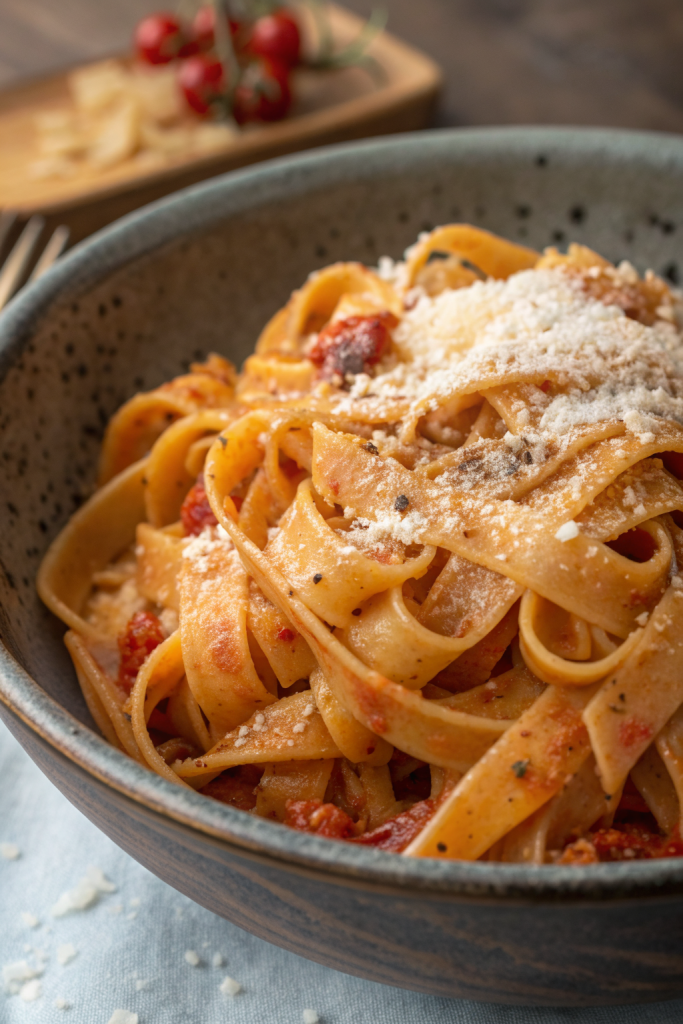
French Onion Pasta Recipe tastes like a cozy bowl of French onion soup hugged up with silky noodles and plenty of melty cheese. It works perfectly for busy weeknights or at-home date nights, since you can get it on the table in about 40–45 minutes. I tested versions of this so many times that my neighbors started “checking in” right around dinner, which tells you everything you need to know.
Why Choose This French Onion Pasta Recipe
This French Onion Pasta Recipe packs deep caramelized onion flavor without an all-day cooking project. You build layers of flavor in one pot, then finish with pasta and cheese for a rich, savory, slightly sweet bowl of comfort.
The recipe uses simple pantry ingredients and flexible substitutions, so you can still cook it when your fridge looks a little sad. It also reheats like a dream, which makes it a smart choice for meal prep or next-day lunches.
“This French Onion Pasta Recipe tastes like my favorite bistro soup met fettuccine and decided to move in permanently. ★★★★★”
Ingredients You’ll Need
Onions and flavor base
- 3 large yellow onions, thinly sliced
- Yellow onions caramelize beautifully and taste balanced. Use sweet onions if you like a gentler flavor or red onions if you want a slightly deeper taste.
- 3 tablespoons unsalted butter
- Salted butter works too; just reduce added salt slightly.
- 2 tablespoons olive oil
- Use any neutral oil if needed, but olive oil adds nice flavor.
- 1 teaspoon fine sea salt, plus more to taste
- ½ teaspoon freshly ground black pepper
- 1 teaspoon sugar
- Sugar helps the onions caramelize faster. Skip it if your onions taste very sweet.
- 3 cloves garlic, minced
- Use jarred minced garlic as a shortcut if needed.
Liquids and seasoning
- ½ cup low sodium beef broth
- Use vegetable broth for a vegetarian version or chicken broth for a lighter taste.
- ½ cup water
- 1 tablespoon Worcestershire sauce
- Use a vegetarian Worcestershire if you avoid anchovies, or soy sauce as a backup.
- 1 teaspoon Dijon mustard
- This adds depth and a slight tang.
- ½ teaspoon dried thyme or 1 teaspoon fresh thyme leaves
- 1 bay leaf (optional but tasty)
Pasta and dairy
- 12 ounces pasta, such as rigatoni, penne, or fettuccine
- Short pasta holds the sauce nicely, but any shape works.
- 1 cup heavy cream
- Use half-and-half for a lighter version, or a mix of milk and a spoonful of cream cheese.
- 1 cup shredded Gruyère cheese
- Pre-shredded works, but block cheese melts smoother.
- ½ cup shredded mozzarella or provolone
- These give that stretchy, “cheesy pull” moment.
- ¼ cup grated Parmesan cheese
- 2 tablespoons chopped fresh parsley or chives, for garnish
Pantry shortcuts and notes
- Use pre-sliced onions from the produce section if you want to save time.
- Use boxed broth; brands like Kitchen Basics or Pacific taste rich and work well here.
- Use pre-shredded cheese in a pinch, but stir it in slowly so it melts smoothly.
Equipment list
- Large heavy-bottomed skillet or Dutch oven
- Long-handled wooden spoon or silicone spatula
- Large pot for boiling pasta
- Colander
- Chef’s knife and cutting board
- Measuring cups and spoons
- Tongs or pasta fork
Tips & Tricks
- Slice the onions evenly so they caramelize at the same rate and do not burn.
- Keep the heat at medium-low during caramelizing; slow cooking builds flavor and prevents scorching.
- Stir the onions every few minutes and scrape the brown bits from the bottom to keep that flavor in the pan.
- Add a splash of water if the onions start to stick; this loosens the fond and protects them.
- Salt the pasta water generously so the noodles taste seasoned before they hit the sauce.
- Cook the pasta just shy of al dente, since it will finish in the sauce.
- Reserve at least 1 cup of starchy pasta water to adjust sauce thickness.
- Add the cheese off the heat and stir in small handfuls so it melts smoothly and does not clump.
- Taste and adjust salt and acidity at the end; a tiny extra hit of Dijon or Worcestershire can brighten the whole dish.
- Garnish with fresh herbs right before serving to cut through the richness.
How to Make French Onion Pasta Recipe
Step 1: Prep the onions and start caramelizing
Peel the onions, slice them in half through the root, then cut them into thin half-moons. Heat a large skillet or Dutch oven over medium heat and add the butter and olive oil. Once the butter melts and starts to foam, add the sliced onions, salt, pepper, and sugar.
Stir to coat the onions in the fat and seasonings. Spread them out in an even layer so they cook evenly. Lower the heat slightly to medium-low and let the onions cook, stirring every few minutes.
Step 2: Build deep caramelized flavor
Continue to cook the onions for 25–30 minutes until they turn deep golden brown and very soft. Stir often and scrape up any browned bits from the bottom of the pan. If the pan looks too dry or the onions start to stick, add a tablespoon of water and stir.
Add the minced garlic during the last 2–3 minutes of caramelizing so it softens and turns fragrant without burning. Taste an onion strand; it should taste sweet, savory, and rich. Adjust salt and pepper if needed.
Step 3: Deglaze and season the sauce base
Raise the heat to medium. Pour in the beef broth and water, then stir well to loosen any browned bits from the bottom of the pan. Add Worcestershire sauce, Dijon mustard, thyme, and the bay leaf.
Let the mixture simmer for 5–7 minutes so the flavors meld and the liquid reduces slightly. This step concentrates the onion flavor and builds that classic French onion soup taste. Remove the bay leaf once the mixture tastes rich and balanced.
Step 4: Boil the pasta
While the onion mixture simmers, bring a large pot of water to a boil. Salt the water generously until it tastes pleasantly salty. Add the pasta and cook it 1–2 minutes less than the package directs.
Scoop out at least 1 cup of pasta water and set it aside. Drain the pasta in a colander. Keep it nearby so you can combine it with the onion mixture while it still steams.
Step 5: Add cream and thicken the sauce
Lower the heat under the onion mixture to medium-low. Stir in the heavy cream and let the sauce gently bubble for 3–4 minutes. The sauce should thicken slightly and coat the back of a spoon.
Taste and adjust seasoning with more salt, pepper, or a tiny extra squeeze of Dijon if you want more tang. If the sauce tastes too strong, add a splash of pasta water to soften the flavor. Aim for a silky, spoon-coating consistency.
Step 6: Combine pasta and sauce
Add the drained pasta directly into the skillet with the creamy onion sauce. Toss well so every piece of pasta gets coated. If the sauce looks too thick, add a little reserved pasta water and stir until it loosens to your liking.
Let the pasta simmer in the sauce for 2–3 minutes so it finishes cooking and absorbs flavor. Stir often so nothing sticks. Turn off the heat once the pasta reaches a tender but slightly firm bite.
Step 7: Add the cheese
With the heat off, sprinkle in the Gruyère and mozzarella in small handfuls, stirring after each addition. This method helps the cheese melt smoothly into the sauce. Add the Parmesan last and stir until the sauce turns glossy and cheesy.
If the sauce thickens too much, add a splash of warm pasta water and stir until it loosens. Taste again and adjust salt and pepper. The final texture should feel creamy and cling to the pasta without pooling.
Step 8: Garnish and serve
Sprinkle chopped parsley or chives over the top for color and freshness. Give the pasta a final toss. Serve it hot, with extra Parmesan on the table for anyone who lives by the “more cheese” philosophy.
If you want a slightly browned top, transfer the pasta to an oven-safe dish, add a little extra cheese, and broil for 2–3 minutes until bubbly and golden. Watch closely so it does not burn. Serve right away while the cheese still stretches.
What to Serve with it?
French Onion Pasta Recipe tastes rich and cozy, so pair it with lighter sides that balance the creaminess. A crisp green salad with lemony vinaigrette or a simple cucumber and tomato salad cuts through the richness nicely. Garlic bread or toasted baguette slices make a great side if you want a full comfort meal and need something to swipe through the sauce.
You can also serve steamed or roasted vegetables like broccoli, green beans, or carrots for extra color and nutrition. A simple fruit salad or sliced fresh fruit on the side adds a refreshing finish. This pasta stands on its own as a main dish, so you can keep the sides simple and still feel like you cooked a full meal.
Storage Options
- Store leftovers in an airtight container in the fridge for up to 3–4 days.
- Add a splash of broth, milk, or water before reheating to loosen the sauce.
- Reheat gently on the stovetop over low heat, stirring often, until hot and creamy again.
- Use the microwave for quick lunches; heat in 30–45 second bursts, stirring between each, until warmed through.
- Freeze portions in freezer-safe containers for up to 2 months; thaw overnight in the fridge, then reheat on the stovetop with a bit of extra liquid.
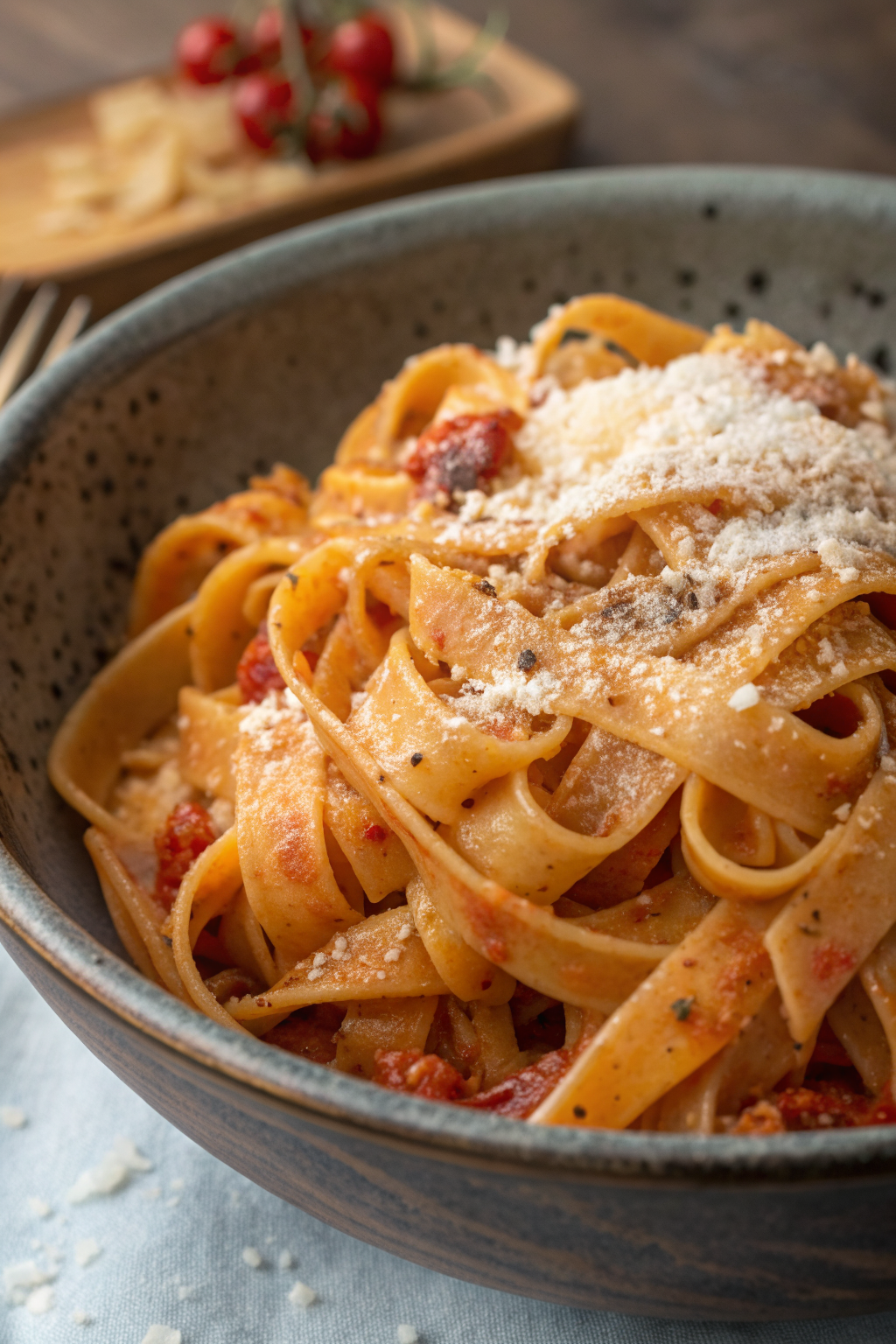
French Onion Pasta Recipe
Ingredients
Method
- Peel the onions, slice them in half through the root, then cut into thin half-moons.
- Heat a large skillet or Dutch oven over medium heat and add the butter and olive oil. Once the butter melts and foams, add the sliced onions, salt, pepper, and sugar, stirring to coat. Spread in an even layer and reduce heat to medium-low.
- Cook the onions for 25–30 minutes, stirring every few minutes, until deeply golden brown and very soft. If they start to stick, add a splash of water and scrape up the browned bits.
- During the last 2–3 minutes of caramelizing, add the minced garlic and cook until fragrant, then taste and adjust salt and pepper if needed.
- Raise the heat to medium and pour in the beef broth and water, scraping the bottom of the pan to deglaze. Stir in the Worcestershire sauce, Dijon mustard, thyme, and bay leaf.
- Simmer for 5–7 minutes until slightly reduced and richly flavored, then remove and discard the bay leaf.
- While the onion mixture simmers, bring a large pot of salted water to a boil. Add the pasta and cook 1–2 minutes less than package directions. Reserve at least 1 cup of pasta water, then drain the pasta.
- Reduce the heat under the onion mixture to medium-low and stir in the heavy cream. Let it gently bubble for 3–4 minutes until slightly thickened and able to coat the back of a spoon. Adjust seasoning with more salt, pepper, or a touch of Dijon if desired.
- Add the drained pasta to the creamy onion mixture and toss well to coat. Simmer together for 2–3 minutes, adding splashes of reserved pasta water as needed so the sauce stays silky and not too thick.
- Turn off the heat. Add the Gruyère and mozzarella or provolone in small handfuls, stirring after each addition until melted and smooth. Stir in the Parmesan until the sauce is glossy and clings to the pasta, loosening with a bit more pasta water if necessary.
- Taste and adjust seasoning, then garnish with chopped parsley or chives. Serve hot, with extra Parmesan on the side if you like.
- For a browned top, transfer the pasta to an oven-safe dish, sprinkle with extra cheese, and broil for 2–3 minutes until bubbly and golden, watching carefully to prevent burning.
Notes
Approximate per serving (1/4 of recipe): 720 calories; fat 38 g; saturated fat 22 g; carbohydrates 69 g; fiber 4 g; sugars 11 g; protein 26 g; sodium 920 mg. Values are estimates and will vary based on exact ingredients, brands, and portion size.