
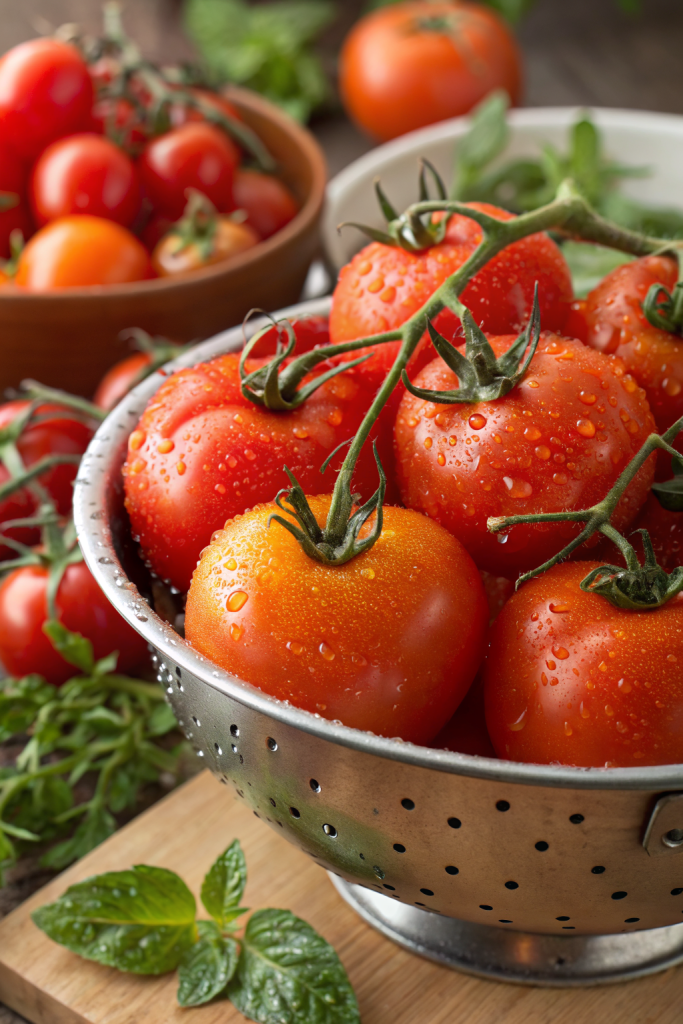
Fresh Tomato Basil Marinara Sauce Recipe tastes bright, garlicky, and a little sweet from juicy tomatoes, and it finishes with that fresh basil perfume that makes your whole kitchen smell like an Italian grandma moved in. It works for busy home cooks who want a from-scratch sauce in about 45–60 minutes, start to finish. I first cooked a version of this in a tiny college apartment with one pot and a dull knife, so if I pulled it off there, you absolutely can too.
Why Fresh Tomato Basil Marinara Sauce Recipe Is Worth It
Fresh Tomato Basil Marinara Sauce Recipe gives you a clean, vibrant tomato flavor that jarred sauce just cannot match. The basil, garlic, and olive oil come together in a way that tastes simple but still feels special enough for guests.
You control the salt, the sweetness, and the texture, so the sauce fits your taste and dietary needs. You also use basic pantry ingredients and a pile of fresh tomatoes, so the recipe works well when your garden or farmers market overflows.
“This Fresh Tomato Basil Marinara Sauce Recipe tastes like a restaurant meal but comes together with simple ingredients at home, and my family licks their plates clean every time. ★★★★★”
Ingredients You Need
Fresh ingredients
- Fresh ripe tomatoes, about 3 pounds
- Use Roma, plum, or any meaty tomato with fewer seeds.
- In winter, choose vine-ripened or Campari tomatoes for better flavor.
- Fresh basil leaves, 1 packed cup, chopped or torn
- Yellow or sweet onion, 1 small, finely diced
- Garlic cloves, 4 to 6, minced
- Carrot, 1 small, finely grated
- This adds natural sweetness so you skip extra sugar.
- Fresh parsley, small handful, chopped (optional but tasty)
Pantry ingredients
- Extra virgin olive oil, 3 to 4 tablespoons
- Use your favorite brand with good flavor since it carries a lot of the taste.
- Tomato paste, 1 to 2 tablespoons
- This deepens the tomato flavor and thickens the sauce.
- Red pepper flakes, a pinch to 1 teaspoon, to taste
- Dried oregano, 1 teaspoon
- Dried thyme or Italian seasoning, 1 teaspoon
- Fine sea salt or kosher salt, to taste
- Freshly ground black pepper, to taste
- Sugar, 1 teaspoon, optional
- Use only if your tomatoes taste very acidic.
Optional flavor boosters
- A small splash of good quality balsamic vinegar for depth
- A knob of butter at the end for extra richness
- A small piece of parmesan rind to simmer in the sauce if you eat dairy
Equipment list
- Large pot or wide saucepan
- Cutting board and sharp knife
- Box grater or microplane for carrot and garlic
- Wooden spoon or silicone spatula
- Blender, immersion blender, or potato masher, depending on texture preference
- Ladle and storage containers with lids
Quick Tips & substitutions
- Use canned whole San Marzano tomatoes when fresh tomatoes look pale or flavorless.
- Peel tomatoes quickly by scoring an X on the bottom, blanching in boiling water 30 seconds, then shocking in ice water.
- Skip peeling if you plan to blend the sauce very smooth.
- Add grated carrot instead of sugar to balance acidity in a more natural way.
- Swap fresh basil with 1 to 2 teaspoons dried basil if you cannot find fresh, then add a little parsley for brightness.
- Use gluten free pasta or zucchini noodles to keep the meal gluten free.
- Stir in plant based butter instead of dairy butter for a vegan finish.
- Use a nonstick or enameled pot if tomatoes tend to stick to your stainless steel pan.
- Make a double batch and freeze half so you save time on busy nights.
How to Make Fresh Tomato Basil Marinara Sauce Recipe
Step 1: Prep the tomatoes
Bring a large pot of water to a boil and set up a big bowl of ice water nearby. Score a shallow X on the bottom of each tomato with a sharp knife. Drop tomatoes into the boiling water for about 30 to 45 seconds, then move them straight into the ice bath.
Slip the skins off with your fingers once the tomatoes cool slightly. Cut out the cores, scoop out some of the seeds if you want a thicker sauce, and roughly chop the tomatoes. Set them aside in a bowl and catch as much juice as possible, since that juice carries flavor.
Step 2: Build the flavor base
Heat olive oil in a large pot over medium heat until it shimmers. Add the diced onion and a pinch of salt, then cook and stir until the onion turns soft and translucent, about 5 to 7 minutes. Add the grated carrot and cook another 2 to 3 minutes so it softens and sweetens.
Stir in the minced garlic and cook about 30 seconds until it smells fragrant but not browned. Add tomato paste and cook it in the oil and aromatics for 1 to 2 minutes while you stir, so it darkens slightly and develops a richer flavor. Sprinkle in dried oregano, dried thyme or Italian seasoning, and red pepper flakes to toast the spices briefly.
Step 3: Add tomatoes and simmer
Pour in the chopped tomatoes with all their juices. Stir well to combine with the onion, garlic, and tomato paste mixture. Season with salt and black pepper, then bring the sauce up to a gentle simmer.
Lower the heat so the sauce bubbles softly, not violently. Cook uncovered for 25 to 35 minutes, stirring every few minutes so the bottom does not scorch. The sauce should thicken, the tomatoes should break down, and the flavor should concentrate.
Step 4: Adjust texture
Taste a spoonful and decide how chunky or smooth you want the marinara. For a rustic sauce, use a potato masher right in the pot and mash until the texture looks good to you. For a smoother sauce, use an immersion blender and blend carefully until it reaches your preferred consistency.
If you use a regular blender, work in small batches and keep a vent open so steam can escape, and handle the hot liquid carefully. If the sauce looks too thick, add a splash of water. If it looks too thin, simmer a bit longer until it thickens.
Step 5: Finish with basil and extras
Turn the heat to low. Stir in the chopped fresh basil and parsley, if you use it, and let them wilt into the sauce for 2 to 3 minutes. Taste the sauce and adjust salt, pepper, and red pepper flakes.
If the tomatoes taste very sharp, add a teaspoon of sugar or a tiny splash of balsamic vinegar and taste again. Stir in a knob of butter or a drizzle of extra virgin olive oil at the end if you want a silkier finish. Remove any parmesan rind you added earlier, then serve the sauce hot over your favorite pasta or cool it for storage.
Recipe Variations
- Gluten free: Serve over gluten free pasta, polenta, or zucchini noodles.
- Vegan: Skip butter and parmesan rind and finish with extra virgin olive oil and more fresh herbs.
- Low carb: Use spaghetti squash, roasted eggplant slices, or zucchini noodles instead of regular pasta.
- Spicy arrabbiata style: Increase red pepper flakes and add a little extra garlic.
- Chunky veggie: Add diced bell peppers, mushrooms, or zucchini with the onion step.
- Creamy tomato basil: Stir in a splash of heavy cream or coconut milk at the end for a richer sauce.
- Protein packed: Add cooked chicken, turkey meatballs, or plant based crumbles after the sauce finishes.
Ways to Serve
- Toss with hot pasta and top with fresh basil and grated parmesan or vegan cheese.
- Spoon over grilled chicken or turkey cutlets with a side of roasted vegetables.
- Use as a base for homemade pizza or flatbread.
- Serve warm over steamed or roasted vegetables for a simple side.
- Use as dipping sauce for mozzarella sticks, garlic bread, or baked veggie fries.
- Layer in lasagna with ricotta, spinach, and your favorite noodles.
Storage Success
Let the Fresh Tomato Basil Marinara Sauce Recipe cool to room temperature, then move it into airtight containers. Store in the fridge for up to 5 days and reheat gently on the stove over low heat while you stir. For longer storage, freeze in portions in freezer safe containers or bags for up to 3 months.
Label containers with the date so you keep track of freshness. When you want to use frozen sauce, thaw it overnight in the fridge or reheat it straight from frozen over low heat with a splash of water. Stir in a little fresh basil or olive oil after reheating to bring the flavor back to life.
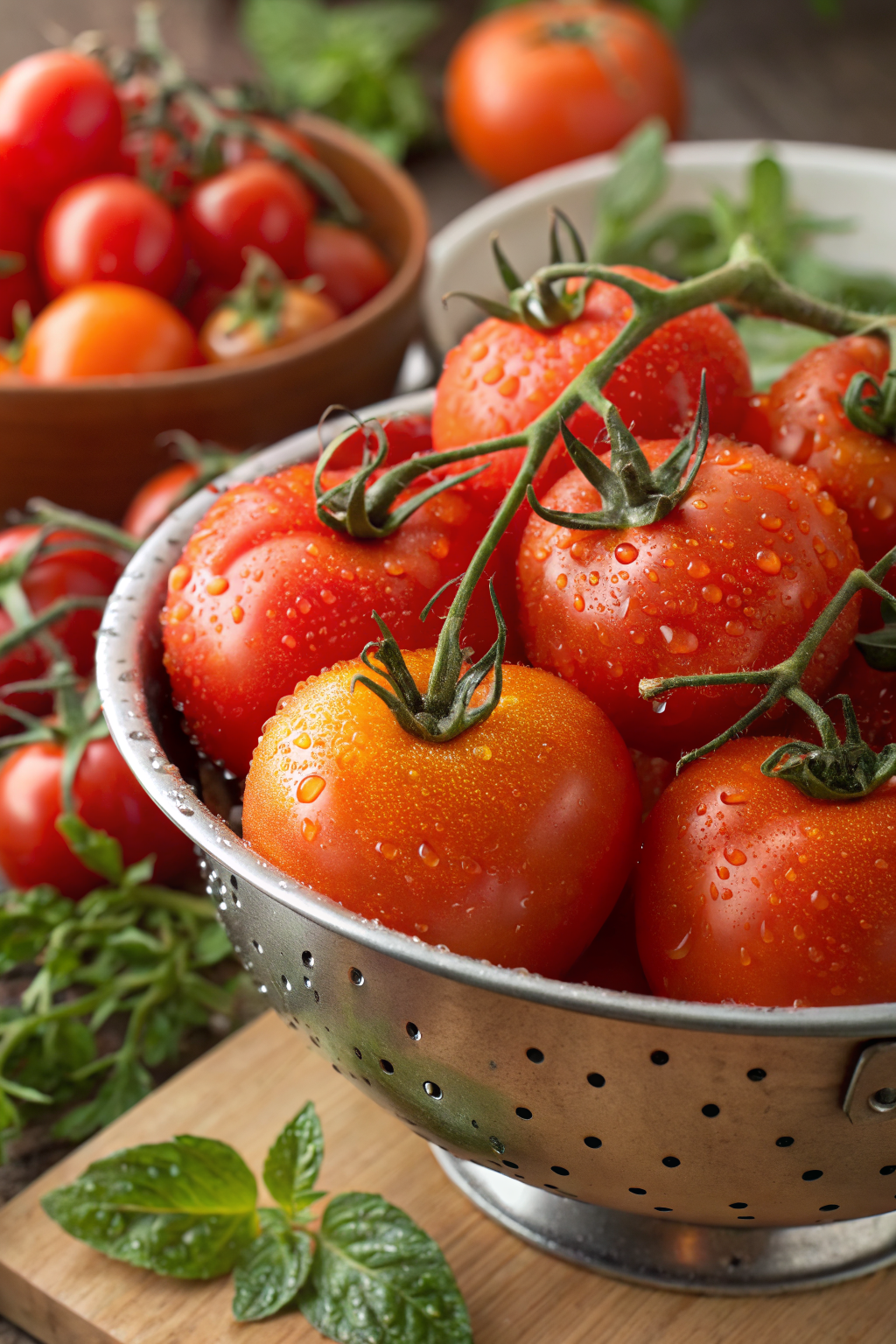
Fresh Tomato Basil Marinara Sauce Recipe
Ingredients
Method
- Bring a large pot of water to a boil and set a bowl of ice water nearby. Score a shallow X on the bottom of each tomato, blanch in boiling water for 30 to 45 seconds, then transfer to the ice bath and slip off the skins. Core, remove some seeds if you prefer a thicker sauce, and roughly chop the tomatoes, catching their juices in a bowl.
- Heat the olive oil in a large pot over medium heat until it shimmers. Add the diced onion and a pinch of salt and cook, stirring, until soft and translucent, about 5 to 7 minutes. Add the grated carrot and cook 2 to 3 minutes more until softened.
- Stir in the minced garlic and cook for about 30 seconds until fragrant but not browned. Add the tomato paste and cook, stirring, for 1 to 2 minutes until it darkens slightly. Sprinkle in the dried oregano, dried thyme or Italian seasoning, and red pepper flakes and toast briefly.
- Pour in the chopped tomatoes with all their collected juices. Season with salt and black pepper and stir to combine. Bring to a gentle simmer, then lower the heat so the sauce bubbles softly. Cook uncovered for 25 to 35 minutes, stirring every few minutes, until the tomatoes break down and the sauce thickens and concentrates in flavor.
- Adjust the texture to your liking: for a rustic sauce, mash the tomatoes in the pot with a potato masher; for a smoother sauce, blend carefully with an immersion blender or regular blender in small batches, venting for steam. If the sauce is too thick, add a splash of water; if too thin, simmer longer until it reaches your preferred consistency.
- Reduce the heat to low. Stir in the chopped fresh basil and parsley, if using, and let them wilt into the sauce for 2 to 3 minutes. Taste and adjust salt, pepper, and red pepper flakes. If the sauce tastes too sharp, add the sugar or a small splash of balsamic vinegar and taste again. Stir in a knob of butter or a drizzle of olive oil for a silkier finish, remove any parmesan rind, and serve hot over pasta or cool for storage.
Notes
Approximate per 1/2-cup serving (about 12 servings total): 80 calories; fat 5 g; saturated fat 1 g; carbohydrates 9 g; fiber 2 g; sugars 5 g; protein 2 g; sodium 260 mg. Values will vary based on specific ingredients, added salt, and portion size.