
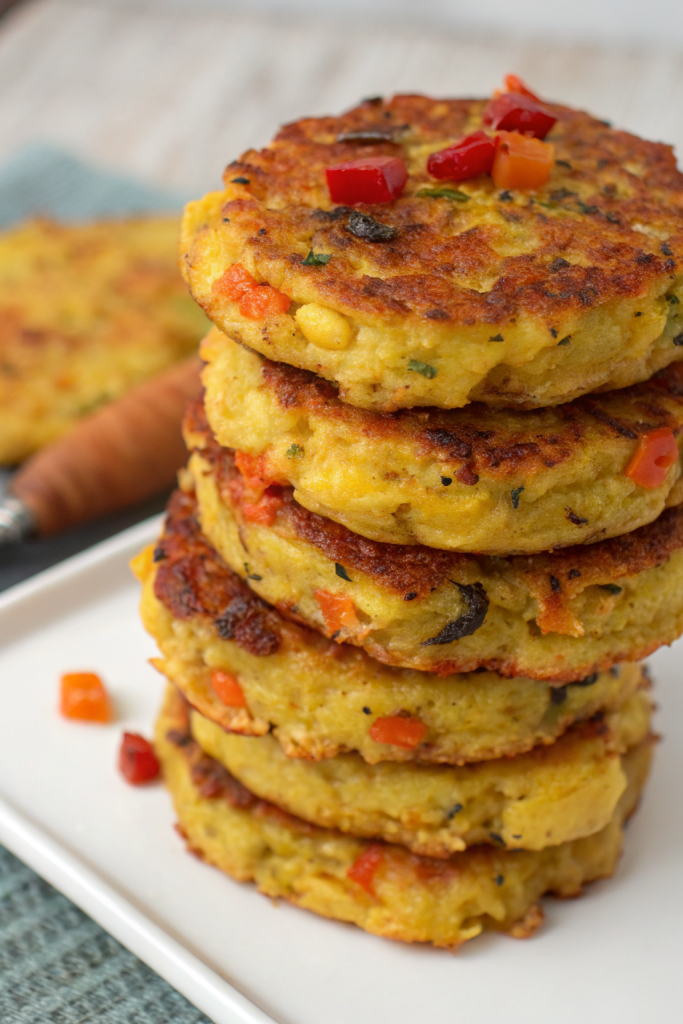
Greek Tomato Fritters Recipe tastes like a plate of summer: sweet tomatoes, fresh herbs, a little salty cheese, and a crisp, golden edge that stays tender inside. It suits anyone who loves Mediterranean flavors and wants a 35-minute vegetarian appetizer or light meal that feels special but stays weeknight-friendly. I first tasted these in a tiny taverna on Santorini, and I have chased that same crunchy-tomato magic in my own kitchen ever since.
Why Make This Greek Tomato Fritters Recipe at Home
You control the tomatoes, the herbs, and the oil, so the fritters taste fresher than most restaurant versions. You also skip any mystery fillers and adjust the texture exactly how you like it, from chunky and rustic to more finely chopped.
Homemade Greek tomato fritters cost much less than a flight to the islands, and they work as an appetizer, snack, or main with a salad. You also impress guests with something that sounds fancy but actually uses simple pantry ingredients.
These Greek tomato fritters taste like a Greek island vacation on a plate, with crisp edges, juicy tomato centers, and bright herbs in every bite ★★★★★
Ingredients You Need
Here is everything you need to make a classic Greek Tomato Fritters Recipe at home.
Tomatoes
- 4 large ripe tomatoes, very flavorful and slightly soft
- Use vine-ripened or Roma for best taste.
- In winter, cherry or grape tomatoes often taste sweeter and work well too.
- 1 small handful cherry tomatoes (optional, for extra sweetness)
Vegetables and herbs
- 1 small red onion, finely minced
- 2 green onions, thinly sliced
- 1 small red bell pepper, finely diced (optional but tasty)
- 1 to 2 cloves garlic, finely minced
- 1 small bunch fresh parsley, finely chopped
- 1 small bunch fresh mint, finely chopped
- 1 teaspoon dried oregano
- 1 teaspoon dried thyme or Greek seasoning blend
Cheese
- 3 to 4 ounces feta cheese, crumbled
- Use a block in brine if possible; it tastes creamier and less chalky than pre-crumbled.
- Swap with a mild goat cheese if you need a cow’s milk alternative.
Dry ingredients
- 1 cup all-purpose flour
- You can use half whole wheat flour for a slightly nuttier flavor.
- 2 to 4 tablespoons fine breadcrumbs, as needed to tighten the batter
- Panko works in a pinch; crush it a bit so it mixes in smoothly.
- 1 teaspoon baking powder
- 1 teaspoon fine sea salt, plus more to taste
- ½ teaspoon freshly ground black pepper
- ½ teaspoon smoked paprika or sweet paprika
- Pinch of red pepper flakes, to taste
Wet ingredients
- 1 large egg, lightly beaten
- If you avoid eggs, use 2 tablespoons plain Greek yogurt plus 1 tablespoon water to help bind.
- 1 to 2 tablespoons olive oil for the batter
For frying
- Neutral oil with a high smoke point, enough to shallow fry
- Use sunflower, avocado, or canola oil.
- Add a tablespoon of olive oil to the pan for flavor if you like, but keep most of the oil neutral so it does not burn.
For serving
- Plain Greek yogurt or thick strained yogurt
- Lemon wedges
- Extra chopped herbs for garnish
- Sliced cucumber and tomato on the side
Equipment
- Large mixing bowl
- Fine mesh strainer or colander
- Clean kitchen towel or several layers of paper towel
- Sharp knife and cutting board
- Measuring cups and spoons
- Large skillet or frying pan, heavy-bottomed
- Spatula or slotted spoon
- Small cookie scoop or tablespoon for portioning batter
- Wire rack or paper towel-lined plate for draining
Tips & Mistakes
- Squeeze the tomatoes very well so the batter does not turn watery and soggy.
- Taste the tomatoes before you start and adjust salt; very sweet tomatoes need a bit more salt for balance.
- Keep the batter thick and spoonable; if it spreads like pancake batter, add more flour or breadcrumbs.
- Let the batter rest 10 to 15 minutes so the flour hydrates and the mixture thickens.
- Heat the oil fully before frying; a small drop of batter should sizzle right away.
- Avoid crowding the pan, or the fritters will steam instead of crisp.
- Flip only once so the crust sets nicely and does not fall apart.
- Drain the fritters on a rack, not just paper towels, to keep the bottoms from turning soft.
- Use fresh herbs if possible; dried herbs alone taste flat in this recipe.
- Serve the fritters soon after cooking, because the texture tastes best while still warm and crisp.
How to Make Greek Tomato Fritters Recipe
Step 1: Prep and drain the tomatoes
Wash the tomatoes and pat them dry. Cut out the cores, then chop the tomatoes into small pieces, about pea-size. Place the chopped tomatoes in a colander set over a bowl, sprinkle with a pinch of salt, and let them sit 10 to 15 minutes so they release extra liquid.
After they drain, squeeze the tomatoes gently with your hands or in a clean kitchen towel to remove more moisture. You want juicy pieces, not tomato soup. Set the drained tomatoes aside.
Step 2: Mix the base of the batter
In a large mixing bowl, add the drained tomatoes, red onion, green onions, red bell pepper, garlic, parsley, mint, oregano, and thyme. Stir everything so the herbs and vegetables distribute evenly. Add the crumbled feta and fold it in gently so you keep some small chunks.
Taste a small piece of tomato and feta together and adjust salt in your mind so you do not oversalt the batter. The feta already brings some salt, so stay light-handed at this stage. Keep the bowl nearby for the dry ingredients.
Step 3: Add dry ingredients and seasonings
Sprinkle the flour, breadcrumbs, baking powder, salt, black pepper, paprika, and red pepper flakes over the tomato mixture. Toss gently with a spoon or your hands so the flour coats the tomatoes and herbs. This step helps prevent clumps later.
Stir until the mixture starts to look thicker and the flour disappears into the juices. If it still looks very wet, add another tablespoon or two of breadcrumbs. You want a chunky, thick mixture that holds together when you press it with a spoon.
Step 4: Add egg and olive oil
Pour in the beaten egg and 1 tablespoon of olive oil. Stir until the batter looks cohesive and thick, almost like a very chunky muffin batter. If it feels too stiff and dry, add a teaspoon or two of water or more olive oil.
If it feels loose and runny, sprinkle in a bit more flour or breadcrumbs. The batter should hold a mound on a spoon without running off. Let the mixture rest 10 to 15 minutes so the flour absorbs the moisture and the flavors mingle.
Step 5: Heat the oil
Place a large heavy skillet over medium to medium-high heat. Add enough neutral oil to cover the bottom generously, about ¼ inch deep. Let the oil heat until a tiny bit of batter sizzles on contact and starts to brown around the edges within a minute.
If the oil smokes, lower the heat slightly. If the batter just sits there without sizzling, wait another minute and test again. Aim for a steady, gentle sizzle, not wild splattering.
Step 6: Fry the fritters
Scoop heaping tablespoons of batter and gently slide them into the hot oil. Flatten them slightly with the back of the spoon so they form small patties, about 2 to 2½ inches wide. Leave a little space between each fritter so you can flip them easily.
Cook each side 3 to 4 minutes until deep golden and crisp, with some darker bits from the tomatoes and herbs. Adjust the heat as needed so they brown evenly and the centers cook through. Transfer cooked fritters to a wire rack or paper towel-lined plate to drain.
Step 7: Finish the batch and taste
Continue cooking the remaining batter in batches. Stir the batter between batches because the tomato juices sometimes settle at the bottom. Add a splash more oil to the pan if it starts to look dry.
Taste one fritter from the first batch. Adjust salt or a squeeze of lemon on the remaining fritters if you want more brightness. Garnish with extra herbs and serve warm with Greek yogurt and lemon wedges.
Variations I've Tried
I swap half the tomatoes with finely chopped zucchini in late summer when the garden goes wild; I squeeze the zucchini very well so it does not water down the batter. I sometimes add a small grated carrot for a hint of sweetness and color, which kids usually love. I also mix in a spoonful of sun-dried tomatoes for a deeper tomato flavor when fresh tomatoes taste a bit bland.
I tried a version with crumbled goat cheese instead of feta, which gave a tangier, creamier center. I also baked small mounds of the batter on a parchment-lined sheet with a light brush of oil; they did not crisp as much as the fried version, but they still tasted great as a lighter snack. I sometimes add a pinch of ground cumin for a warm note, especially when I serve the fritters with yogurt and cucumber.
How to Serve Greek Tomato Fritters Recipe
Serve Greek tomato fritters hot or warm with a generous spoonful of thick Greek yogurt on the side and plenty of lemon wedges. I like a simple plate with cucumber slices, extra tomato wedges, olives, and warm pita or flatbread. A crisp green salad with lettuce, cucumber, tomato, and a light olive oil and lemon dressing pairs perfectly.
You can also tuck a couple of fritters into a pita with lettuce, tomato, cucumber, and yogurt sauce for a quick handheld meal. They also work well on a mezze-style platter with hummus, olives, grilled vegetables, and rice.
How to store
- Fridge: Cool the fritters completely, then store them in an airtight container with parchment between layers for up to 3 days.
- Freezer: Freeze cooked fritters in a single layer on a tray, then move them to a freezer bag or container for up to 2 months.
- Reheating (oven): Reheat in a 375°F oven or toaster oven on a wire rack for 8 to 12 minutes until hot and crisp again.
- Reheating (skillet): Warm them in a lightly oiled skillet over medium heat a few minutes per side until heated through.
- Avoid: Skip the microwave if you can, because it softens the crust and turns the fritters a bit rubbery.
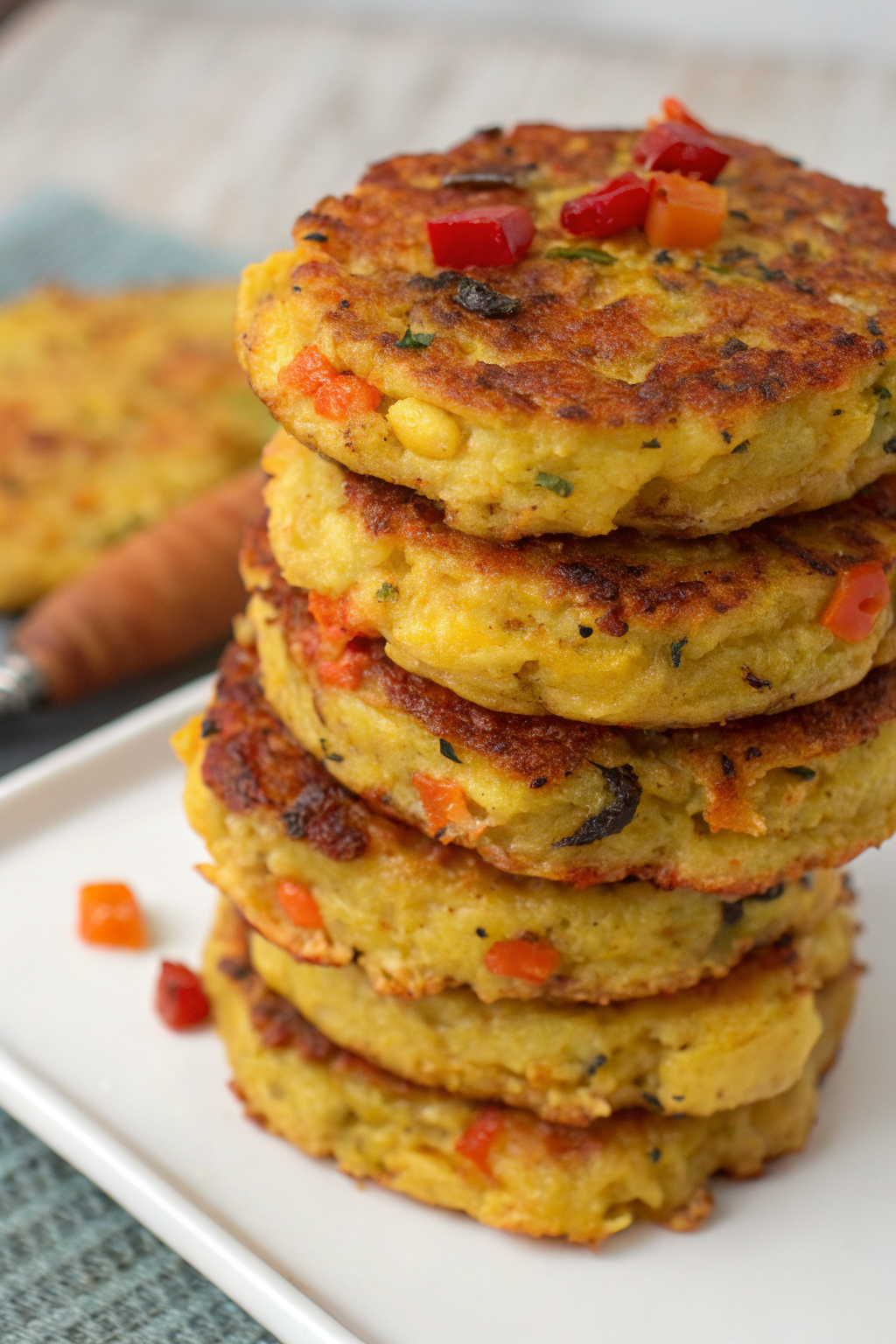
Greek Tomato Fritters Recipe
Ingredients
Method
- Wash and dry the tomatoes, remove the cores, and chop into small pea-size pieces. Place the tomatoes and optional cherry tomatoes in a colander set over a bowl, sprinkle with a pinch of salt, and let drain 10–15 minutes. Gently squeeze to remove excess moisture so they are juicy but not watery.
- In a large mixing bowl, combine the drained tomatoes, red onion, green onions, red bell pepper (if using), garlic, parsley, mint, oregano, and thyme. Fold in the crumbled feta, keeping some small chunks.
- Sprinkle in the flour, breadcrumbs, baking powder, salt, black pepper, paprika, and red pepper flakes. Toss gently so the flour coats the tomato and herb mixture and begins to thicken. If the mixture looks very wet, add more breadcrumbs a tablespoon at a time.
- Add the beaten egg and 1 tablespoon olive oil. Stir until a thick, cohesive batter forms that holds a mound on a spoon without running. Adjust with a little water or olive oil if too stiff, or extra flour/breadcrumbs if too loose. Let the batter rest 10–15 minutes to hydrate and thicken.
- Heat a large heavy skillet over medium to medium-high heat and add enough neutral oil to reach about 1/4 inch up the sides. When a small drop of batter sizzles and begins to brown within about a minute, the oil is ready.
- Scoop heaping tablespoons of batter into the hot oil, gently flattening each into small patties about 2–2 1/2 inches wide. Fry in batches without crowding, 3–4 minutes per side, until deep golden and crisp and cooked through in the center.
- Transfer cooked fritters to a wire rack or paper towel-lined plate to drain. Repeat with the remaining batter, adding more oil as needed and stirring the batter between batches so the juices redistribute.
- Serve the Greek tomato fritters hot or warm with Greek yogurt and lemon wedges on the side, and garnish with extra fresh herbs. Add sliced cucumber and tomato or a simple salad if desired.
Notes
Approximate per serving (about 1/4 of the batch, assuming shallow frying and using 3 oz feta): 260–310 calories; fat 16–20 g; saturated fat 5–7 g; carbohydrates 22–26 g; fiber 3–4 g; sugars 6–9 g; protein 7–9 g; sodium 520–650 mg. Values will vary based on exact tomato size, amount of oil absorbed during frying, and specific brands used.