
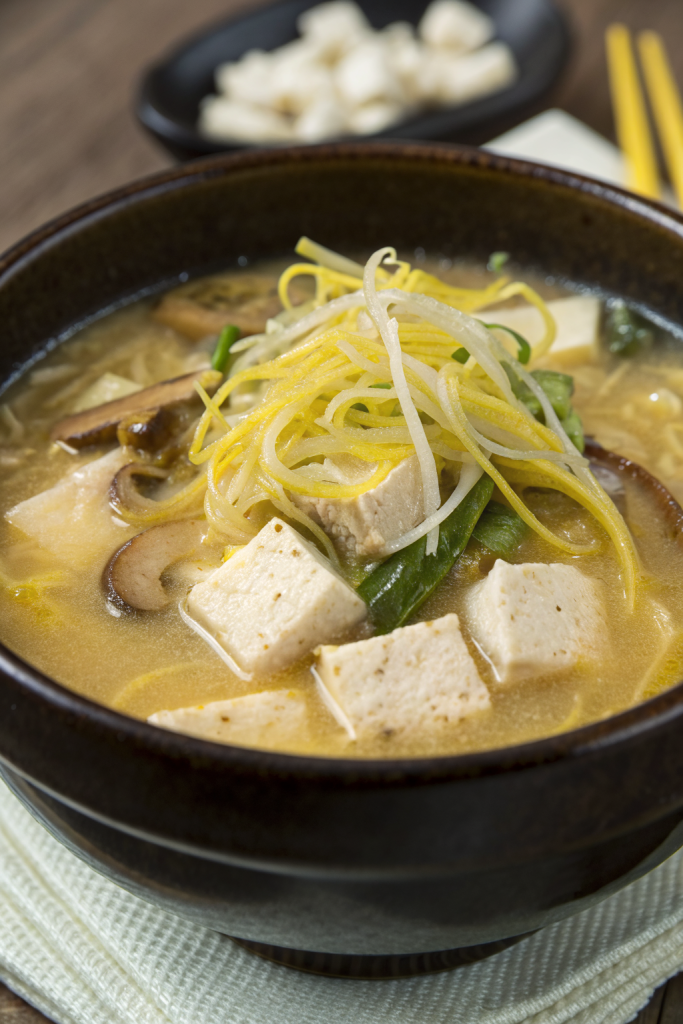
Harusame Japanese Glass Noodle Soup Recipe tastes light yet savory, with slippery glass noodles, tender veggies, and a clean, comforting broth that feels like a warm hug in a bowl. It suits busy weeknights, cozy solo dinners, or simple family meals, and you can get it on the table in about 25 to 30 minutes. I started making this on broke college nights, and it still feels like my favorite “instant comfort” upgrade.
Why Make This Harusame Japanese Glass Noodle Soup Recipe at Home
You control the salt, the veggies, and the protein, so the soup fits your taste and your pantry. Restaurant versions often taste great but use more sodium and oil than you need, while homemade harusame soup stays light and clean.
You also adjust the toppings for picky eaters or dietary needs without stress. Once you learn this method, you throw together a satisfying Japanese glass noodle soup with whatever you have in the fridge.
“So simple, cozy, and full of flavor that tastes like a Japanese café at home, this Harusame Japanese Glass Noodle Soup Recipe instantly became a weekly favorite. ★★★★★”
Ingredients You Need
Here is what you need for a classic Harusame Japanese Glass Noodle Soup Recipe that tastes restaurant quality but stays weeknight friendly.
Main ingredients
- Harusame noodles (Japanese glass noodles, usually made from potato or mung bean starch; I like Hime or Shirakiku brand)
- Chicken broth or vegetable broth (low sodium, so you control seasoning)
- Water (to adjust intensity of the broth)
- Boneless skinless chicken thighs or breasts, thinly sliced
- Use extra firm tofu or rehydrated dried shiitake for a vegetarian version.
- Napa cabbage, thinly sliced
- Green cabbage works if you cannot find Napa.
- Carrot, julienned or cut into thin matchsticks
- Green onion, thinly sliced (white and green parts separated)
- Fresh shiitake mushrooms, sliced
- Use cremini or button mushrooms if that is what you have.
- Garlic, finely minced
- Fresh ginger, finely minced or grated
Seasonings and flavor base
- Soy sauce (use low sodium if you prefer; tamari for gluten free)
- Mirin (Japanese sweet rice seasoning; if you skip it, add a tiny pinch of sugar)
- Sesame oil (to finish and add aroma)
- Salt, to taste
- Ground white pepper or black pepper, to taste
- Optional: a small splash of rice vinegar for brightness
Optional toppings
- Soft boiled egg or jammy egg, halved
- Toasted sesame seeds
- Shichimi togarashi (Japanese chili seasoning) for a little heat
- Extra sliced green onions
- A small handful of baby spinach or mizuna
Pantry shortcuts
- Use store bought chicken stock concentrate if you do not have boxed broth.
- Use pre shredded coleslaw mix instead of chopping cabbage and carrots.
- Use frozen mixed vegetables if your crisper looks sad.
Equipment list
- Medium pot or Dutch oven
- Small bowl for soaking noodles
- Cutting board and sharp knife
- Fine grater or microplane for ginger
- Ladle
- Tongs or chopsticks to handle noodles
Tips & Mistakes
- Soak harusame noodles in hot water, not boiling water, so they soften gently and do not turn mushy.
- Check noodle package directions, since some brands need soaking while others go straight into the pot.
- Slice vegetables thin so they cook quickly and stay tender crisp.
- Add leafy greens at the end so they stay bright and do not overcook.
- Taste the broth before you add salt, because soy sauce and broth already bring plenty of sodium.
- Simmer the chicken gently so it stays tender and does not turn rubbery.
- Do not cook the noodles in the soup for a long time, or they will soak up all the broth and lose their texture.
- Serve the soup right after you add the noodles, since glass noodles keep drinking the broth as they sit.
How to Make Harusame Japanese Glass Noodle Soup Recipe
Step 1: Soak the harusame noodles
- Place the dry harusame noodles in a heatproof bowl.
- Pour hot tap water or just boiled water that cooled for a minute over the noodles.
- Soak for 5 to 10 minutes, until the noodles turn clear and flexible, then drain and set aside.
Step 2: Prep the vegetables and aromatics
- Thinly slice Napa cabbage, mushrooms, and green onions.
- Julienne the carrot into matchsticks so it cooks quickly.
- Mince the garlic and ginger; keep them close to the stove since they go in early.
Step 3: Build the broth
- Set a medium pot over medium heat and add a small drizzle of neutral oil.
- Add minced garlic, ginger, and the white parts of the green onion, then stir for about 30 seconds until fragrant.
- Pour in chicken or vegetable broth and a bit of water, then bring it to a gentle simmer.
Step 4: Season the broth
- Stir in soy sauce and mirin, then taste and adjust.
- Add a pinch of white or black pepper.
- If the broth tastes flat, add a tiny splash of rice vinegar to brighten it.
Step 5: Cook the protein
- Add thinly sliced chicken to the simmering broth and stir to separate the pieces.
- Simmer gently for 4 to 6 minutes until the chicken turns opaque and cooks through.
- If you use tofu, add cubes now and warm them through for a few minutes.
Step 6: Add vegetables
- Add sliced mushrooms and carrot sticks to the pot and simmer for 2 to 3 minutes.
- Stir in Napa cabbage and cook for another 2 minutes until the cabbage softens but still keeps a little bite.
- Toss in any quick cooking greens like spinach right at the end so they just wilt.
Step 7: Finish with noodles and aromatics
- Add the soaked and drained harusame noodles to the pot and stir gently.
- Simmer for 1 to 2 minutes so the noodles heat through and soak up some flavor.
- Turn off the heat, drizzle in a small amount of sesame oil, and stir in the green parts of the green onion.
Step 8: Taste and serve
- Taste the broth again and adjust with more soy sauce or salt if needed.
- Ladle the noodles, broth, chicken, and vegetables into bowls.
- Top with soft boiled egg halves, sesame seeds, and shichimi togarashi if you like a little kick.
Variations I've Tried
I often make a seafood version and add peeled shrimp and a few fish balls instead of chicken. The shrimp cook quickly, so I drop them in with the mushrooms and pull them out as soon as they turn pink.
A vegetarian version tastes great with tofu, extra mushrooms, and a piece of kombu simmered in the broth for extra umami. I also like a “clean out the fridge” version with leftover rotisserie chicken, frozen peas, and whatever leafy greens hide in the crisper.
How to Serve Harusame Japanese Glass Noodle Soup Recipe
Serve this Harusame Japanese Glass Noodle Soup Recipe piping hot in deep bowls so the noodles stay submerged and silky. Add toppings at the table so everyone customizes their own bowl with eggs, green onions, or chili seasoning. Pair it with steamed rice, a simple cucumber salad, or edamame for a more filling meal. I also like it as a light lunch with some sliced fruit on the side.
How to store
- Cool the soup to room temperature within 1 hour, then store it in airtight containers in the fridge for up to 3 days.
- Store noodles and broth separately if possible, since noodles keep soaking liquid and can turn too soft.
- Freeze only the broth with vegetables and protein for up to 2 months, and add freshly soaked harusame noodles when you reheat.
- Reheat on the stove over medium heat until hot but not boiling hard, then add pre soaked noodles and warm them through for 1 to 2 minutes before serving.
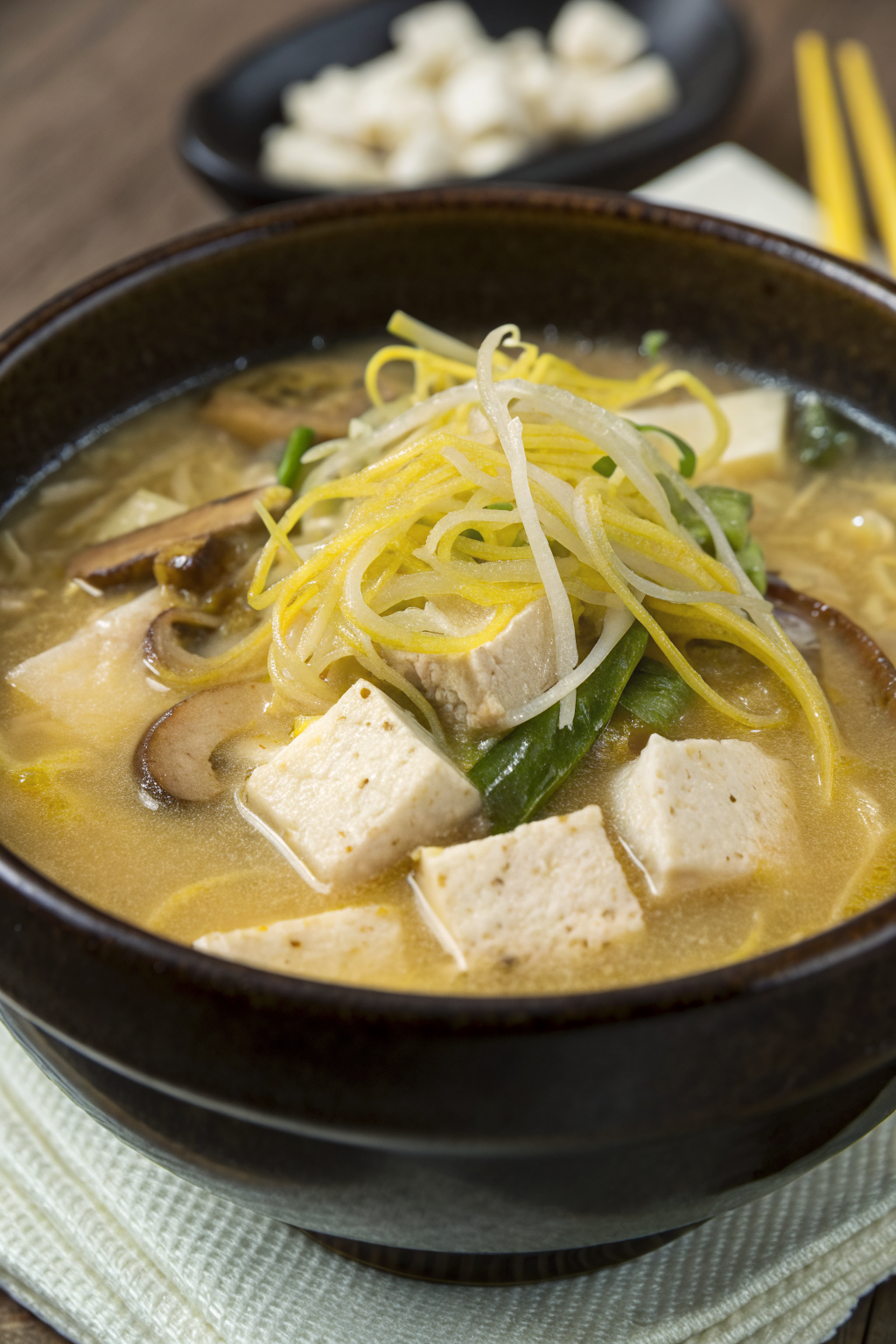
Harusame Japanese Glass Noodle Soup Recipe
Ingredients
Method
- Place the dry harusame noodles in a heatproof bowl.
- Pour hot tap water or just-boiled water that has cooled for a minute over the noodles.
- Soak for 5 to 10 minutes, until the noodles turn clear and flexible, then drain and set aside.
- Thinly slice Napa cabbage and mushrooms.
- Julienne the carrot into thin matchsticks.
- Thinly slice the green onions, keeping white and green parts separate.
- Mince the garlic and ginger and keep them close to the stove.
- Set a medium pot over medium heat and add a small drizzle of neutral oil.
- Add minced garlic, ginger, and the white parts of the green onion. Stir for about 30 seconds until fragrant.
- Pour in chicken or vegetable broth and water, then bring to a gentle simmer.
- Stir in soy sauce and mirin, then taste and adjust as needed.
- Add a pinch of white or black pepper. If the broth tastes flat, add a small splash of rice vinegar.
- Add thinly sliced chicken to the simmering broth and stir to separate the pieces.
- Simmer gently for 4 to 6 minutes, until the chicken turns opaque and is cooked through.
- If using tofu instead of chicken, add the tofu cubes and warm them in the broth for a few minutes.
- Add sliced mushrooms and carrot matchsticks to the pot and simmer for 2 to 3 minutes.
- Stir in Napa cabbage and cook for another 2 minutes, until just tender but still slightly crisp.
- If using baby spinach or other quick-cooking greens, stir them in at the end so they just wilt.
- Add the soaked and drained harusame noodles to the pot and stir gently.
- Simmer for 1 to 2 minutes, just until the noodles are heated through and have absorbed some flavor.
- Turn off the heat, drizzle in sesame oil, and stir in the green parts of the green onions.
- Taste the broth and adjust with more soy sauce or a little salt if needed.
- Ladle noodles, broth, chicken or tofu, and vegetables into deep bowls.
- Top with soft boiled egg halves, toasted sesame seeds, and shichimi togarashi if desired. Serve immediately while hot.
Notes
Soak harusame noodles in hot water, not boiling, so they soften gently and do not turn mushy. Slice vegetables thin so they cook quickly and stay tender-crisp. Add leafy greens at the very end so they stay bright. Do not simmer the noodles in the soup for long, or they will drink up the broth and soften too much; serve soon after adding them. Storage
Cool the soup to room temperature within 1 hour. Refrigerate in airtight containers for up to 3 days, storing noodles and broth separately when possible to keep the noodles from getting too soft. For longer storage, freeze only the broth with vegetables and protein for up to 2 months and add freshly soaked harusame noodles when reheating. Reheat gently on the stove over medium heat until hot but not boiling hard, then add pre-soaked noodles and warm them through for 1 to 2 minutes. Nutrition Information
Approximate per serving (with chicken, using broth, without optional toppings): 260 calories; fat 7 g; saturated fat 1.5 g; carbohydrates 32 g; fiber 3 g; sugars 6 g; protein 18 g; sodium 1050 mg. Values will vary based on broth brand, noodle type, protein choice, and toppings.