
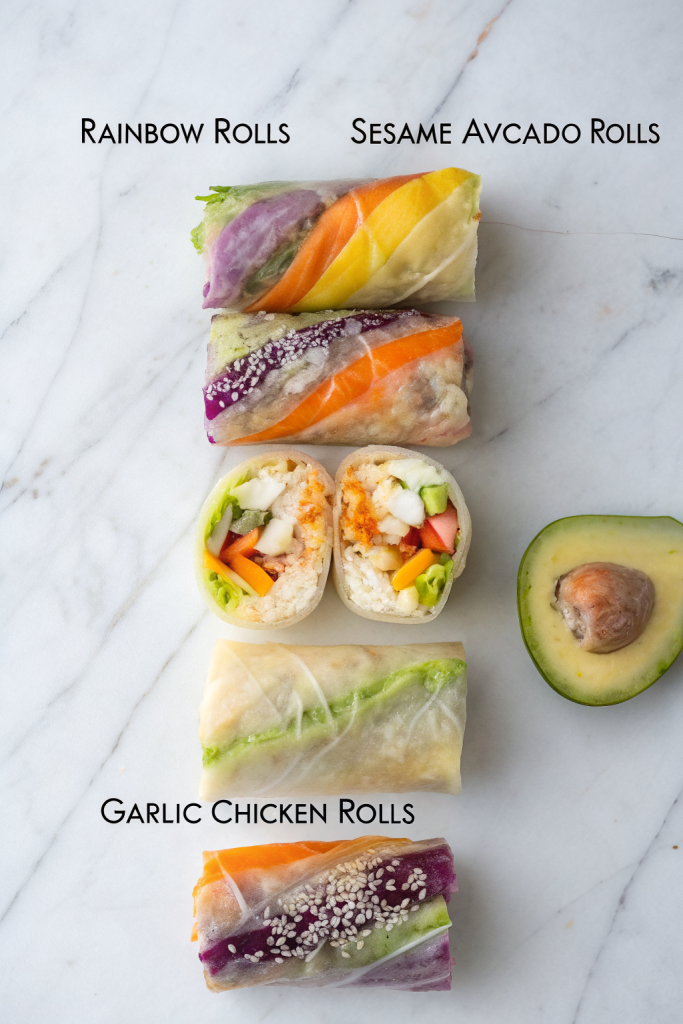
Healthy Spring Roll Recipe packs crisp veggies, tender protein, and a bright, garlicky dipping sauce into a fresh, crunchy bite that tastes clean but still seriously satisfying. It works perfectly for meal prep, light lunches, or a fun DIY dinner, and you can get everything on the table in about 35 minutes. I first made these in a tiny apartment kitchen with one dull knife and a wobbly cutting board, so you and your kitchen already have a head start on me.
Why Make This Healthy Spring Roll Recipe at Home
Homemade spring rolls taste fresher than anything that sits in a takeout container. You control the fillings, the oil, the sodium, and the sauce, so the rolls stay light, colorful, and nutrient dense.
You also save money and avoid mystery ingredients. Kids, picky eaters, and veggie skeptics usually enjoy these because they can see everything inside and dip to their heart’s content.
“These healthy spring rolls taste like a restaurant appetizer but feel lighter, fresher, and totally guilt free ★★★★★”
Ingredients You Need
You can tweak this Healthy Spring Roll Recipe to match what you have, but this combo hits all the textures and flavors.
Rice paper and noodles
- Rice paper wrappers, 8 to 10 inch size
- Look for thin, round sheets in the Asian aisle.
- I like Three Ladies or Blue Dragon brands, but any rice paper works.
- Rice vermicelli or thin rice noodles
- Use brown rice noodles if you want extra fiber.
- In a pinch, very thin whole wheat spaghetti works, but cook it slightly softer.
Protein options
Pick one or mix a couple.
- Cooked shrimp, peeled and halved lengthwise
- Frozen, pre-cooked shrimp works great; thaw and pat dry.
- Cooked chicken breast, thinly sliced
- Rotisserie chicken saves time; just remove the skin.
- Firm or extra firm tofu, pressed and sliced into strips
- Pan sear with a little soy sauce or tamari for flavor.
- Cooked edamame or chickpeas for a plant based option
- Pat them dry so they do not make the rolls soggy.
Fresh vegetables and herbs
Use what looks crisp and bright.
- Carrots, cut into thin matchsticks
- Cucumber, seeded and cut into matchsticks
- Red bell pepper, thinly sliced
- Shredded purple or green cabbage
- Leafy greens: butter lettuce, romaine, or baby spinach
- Fresh herbs: mint, cilantro, and Thai basil or sweet basil
- Herbs make the rolls taste like a restaurant version, so use at least one.
Dipping sauce ingredients
You can mix and match sauces. Here is my go to peanut sauce plus a lighter soy lime option.
Peanut dipping sauce
- Natural peanut butter, creamy
- Low sodium soy sauce or tamari
- Lime juice, freshly squeezed
- Rice vinegar
- Honey or maple syrup
- Garlic, finely minced or grated
- Warm water to thin
- Optional: a little sriracha or chili garlic sauce for heat
Soy lime dipping sauce
- Low sodium soy sauce
- Lime juice
- Rice vinegar
- Garlic, minced
- Green onion, thinly sliced
- A pinch of sugar or honey
- Red pepper flakes or a tiny drizzle of chili oil
Pantry shortcuts and substitutions
- Use pre-shredded coleslaw mix instead of chopping cabbage and carrots.
- Use bagged salad greens to save time on washing and drying.
- Use store bought peanut sauce if you feel short on time; thin it with a splash of water and lime juice.
- Swap lime juice with lemon juice if that is what you have.
Equipment list
- Large cutting board
- Sharp chef’s knife
- Large shallow dish or pie plate for soaking rice paper
- Clean kitchen towel or slightly damp paper towels
- Mixing bowls for sauces and fillings
- Tongs or chopsticks to handle noodles and fillings
- Small serving bowls for dipping sauces
Tips & Mistakes
- Slice everything into thin, even matchsticks so the rolls wrap tightly and feel easy to bite.
- Keep fillings dry; pat veggies, herbs, and protein with a towel so they do not tear the rice paper.
- Soak rice paper briefly, about 5 to 10 seconds, then move it to the board while it still feels slightly firm.
- Avoid overfilling; use less than you think, then add more in the next roll if you want.
- Roll tightly but gently; tuck the bottom over the filling, pull back to snug it, then fold in the sides.
- Cover finished rolls with a slightly damp towel so they do not dry out or crack.
- Taste the dipping sauce and adjust salt, sweetness, and acidity before serving.
- Use fresh herbs generously; they make the Healthy Spring Roll Recipe taste bright and restaurant level.
- Serve the rolls soon after you make them for the best texture; rice paper can toughen if it sits uncovered.
- Practice on one or two rolls first; treat those as “chef snacks” while you dial in your technique.
How to Make Healthy Spring Roll Recipe
Step 1: Prep the noodles
- Boil water in a medium pot.
- Add rice vermicelli and cook according to package directions until just tender.
- Drain the noodles and rinse under cool water to stop the cooking.
- Toss the noodles with a tiny drizzle of sesame oil or neutral oil so they do not clump.
Step 2: Prep the protein
- If you use shrimp, pat them dry and slice them in half lengthwise so they lay flat.
- If you use chicken, slice it thinly across the grain.
- If you use tofu, press it for at least 10 minutes, then slice into strips and sear in a nonstick pan with a splash of soy sauce until golden on the edges.
- Let all proteins cool to room temperature so they do not steam the rice paper.
Step 3: Prep the veggies and herbs
- Peel and cut carrots into thin matchsticks.
- Slice cucumber into matchsticks and remove any large seeds.
- Thinly slice bell pepper and cabbage.
- Wash and dry lettuce and herbs very well so extra moisture does not weaken the wrappers.
Step 4: Mix the dipping sauces
Peanut sauce
- In a small bowl, whisk peanut butter, soy sauce, lime juice, rice vinegar, honey, and garlic.
- Add warm water a spoonful at a time until the sauce reaches a pourable but thick consistency.
- Taste and adjust with more lime for brightness, honey for sweetness, or soy sauce for salt.
- Stir in a little sriracha if you like heat.
Soy lime sauce
- In another bowl, combine soy sauce, lime juice, rice vinegar, garlic, green onion, and a pinch of sugar.
- Add red pepper flakes or a tiny drizzle of chili oil if you want spice.
- Taste and tweak the balance of salty, sour, and sweet.
- Chill the sauces while you roll to let flavors blend.
Step 5: Set up your rolling station
- Fill a large shallow dish or pie plate with warm water.
- Lay a clean, slightly damp kitchen towel on your cutting board to keep the rice paper from sticking.
- Arrange noodles, protein, veggies, and herbs around your board so you can reach everything easily.
- Keep an extra plate or tray nearby for the finished rolls.
Step 6: Soften the rice paper
- Dip one rice paper wrapper into the warm water.
- Rotate it gently for about 5 to 10 seconds until it feels pliable but not floppy.
- Lift it out carefully and lay it flat on the damp towel.
- Let it sit for a few seconds; it continues to soften on the board.
Step 7: Fill the spring roll
- Place a small handful of noodles in the lower third of the wrapper, leaving about 1 inch of space from the bottom edge.
- Add a few strips of protein on top of the noodles.
- Layer carrots, cucumber, bell pepper, and cabbage over the protein.
- Top with a leaf of lettuce and a generous sprinkle of herbs.
Step 8: Roll it up
- Lift the bottom edge of the rice paper over the filling and pull it snug to tuck everything in.
- Fold the left and right sides toward the center, like a burrito.
- Continue to roll away from you, keeping the roll tight but gentle so the wrapper does not tear.
- Place the finished roll on the tray, seam side down, and cover with a damp towel.
Step 9: Repeat and adjust
- Repeat the soaking, filling, and rolling process with the remaining wrappers and fillings.
- Adjust the amount of filling as you go until you find your favorite ratio of noodles, protein, and veggies.
- If a wrapper tears, wrap that roll in a second softened wrapper and treat it as a bonus “double layer” roll.
- Chill the finished rolls in the fridge for about 10 to 15 minutes if you want them slightly firmer.
Variations I've Tried
- Rainbow veggie rolls: Skip the animal protein and load the rolls with shredded beet, extra herbs, avocado slices, and edamame.
- Spicy tofu rolls: Marinate tofu in soy sauce, lime, and chili paste, then sear until crisp on the edges and pair with crunchy cabbage and extra cilantro.
- Chicken mango rolls: Use thinly sliced chicken, ripe mango strips, cucumber, and mint for a sweet and savory combo that tastes super fresh.
- Breakfast spring rolls: Fill wrappers with scrambled eggs, sautéed veggies, and spinach, then dip in a light soy chili sauce for a fun brunch twist.
- Kid friendly rolls: Keep fillings simple with noodles, chicken, cucumber, and carrots, and serve with a mild peanut sauce.
How to Serve Healthy Spring Roll Recipe
Serve this Healthy Spring Roll Recipe chilled or at cool room temperature on a big platter so everyone can pick their favorites. Add small bowls of peanut sauce and soy lime sauce, plus extra lime wedges and chopped herbs on the side. Pair the rolls with miso soup, a simple cucumber salad, or steamed jasmine rice for a more filling meal. Offer sparkling water, iced green tea, or fruit infused water for a refreshing drink.
How to store
- Store leftover spring rolls in a single layer in an airtight container, with parchment or lettuce leaves between layers so they do not stick.
- Keep them in the fridge for up to 2 days; the rice paper softens over time but still tastes good.
- Avoid freezing assembled rolls, since rice paper turns tough and chewy after thawing.
- Store dipping sauces in separate containers in the fridge for up to 5 days and stir or shake before serving.
- Reheat gently if you like them slightly warm by letting them sit at room temperature for 15 to 20 minutes; avoid the microwave, which can make the wrappers rubbery.
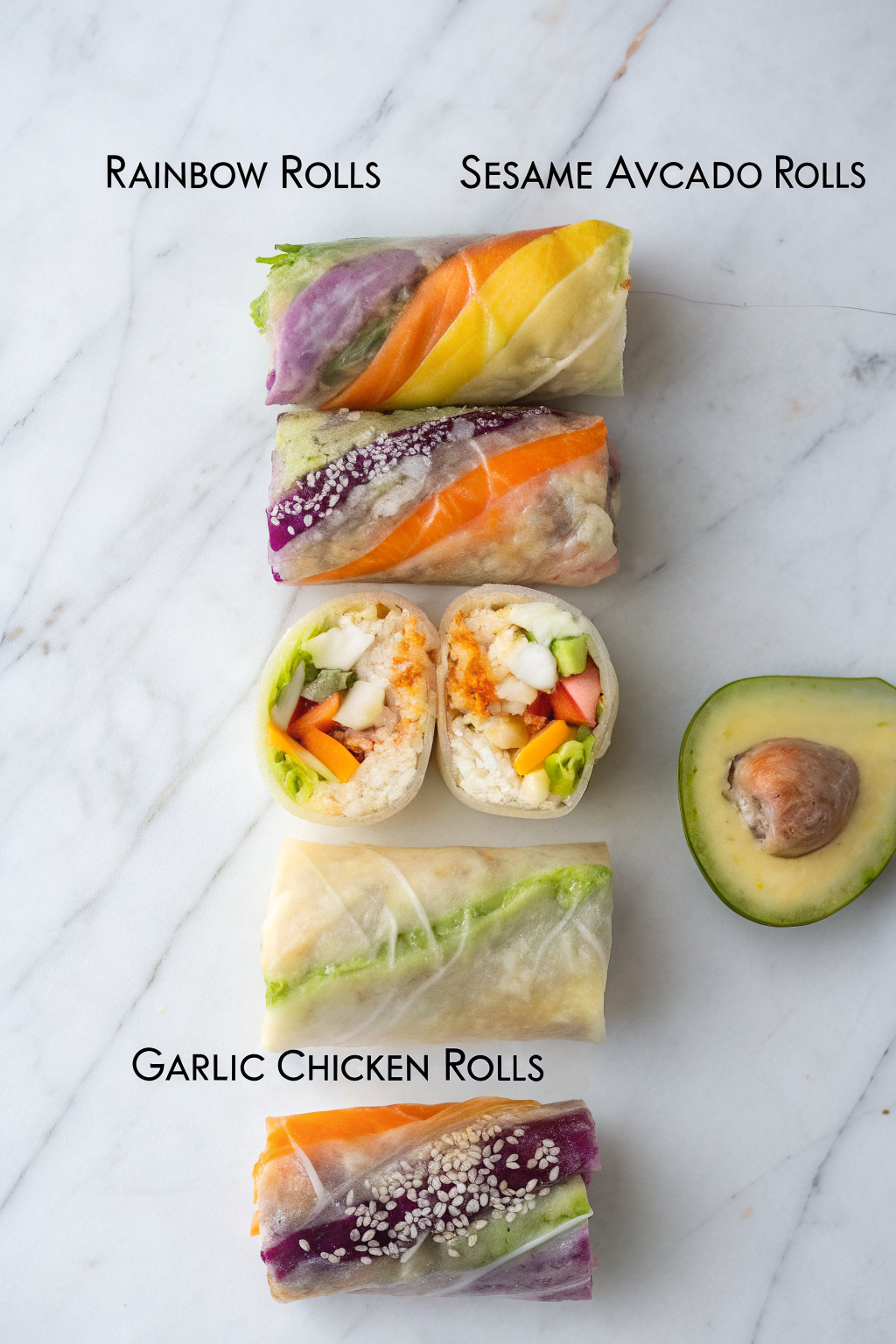
Healthy Spring Roll Recipe
Ingredients
Method
- Prepare all vegetables and herbs by washing, drying, and cutting them into thin strips or bite-sized pieces.
- Fill a large shallow dish or pie plate with warm water. Dip one rice paper wrapper into the water for 10–15 seconds, just until softened but still slightly firm.
- Place the softened wrapper on a clean, damp kitchen towel or cutting board.
- Arrange a small handful of lettuce, carrots, cabbage, cucumber, rice noodles (if using), and a few leaves of mint, cilantro, and basil in the center of the wrapper, leaving space at the edges.
- Fold the bottom edge of the wrapper over the filling, then fold in the sides and roll tightly away from you to form a neat roll.
- Repeat with the remaining wrappers and filling.
- In a small bowl, whisk together soy sauce or tamari, lime juice, honey or maple syrup, toasted sesame oil, minced garlic, and grated ginger. Add a little water to thin, if desired.
- Serve the spring rolls fresh with the dipping sauce on the side.
Notes
Approximate per 2 spring rolls with sauce: 190 calories; fat 3 g; saturated fat 0.5 g; carbohydrates 37 g; fiber 4 g; sugars 9 g; protein 5 g; sodium 480 mg. Values will vary based on exact ingredients, brands, and portion size.