
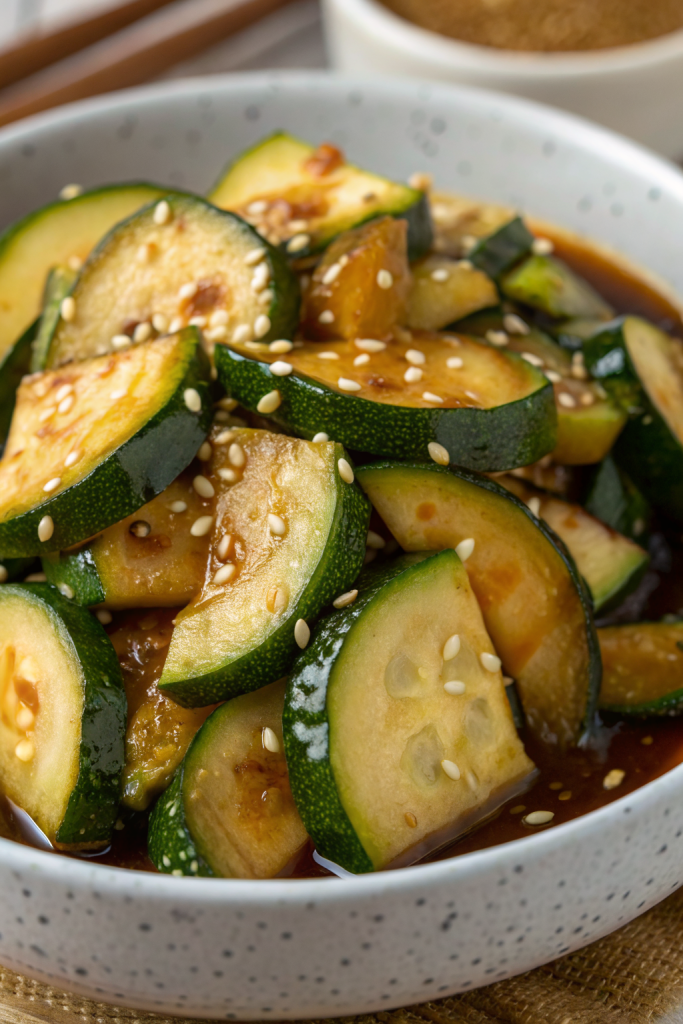
Hibachi Zucchini Recipe tastes smoky, garlicky, and buttery with just enough soy and sesame to remind you of your favorite Japanese steakhouse, and it comes together in about 15 minutes so busy home cooks and veggie lovers can still eat like they went out. It works for weeknight dinners, meal prep, or a fun “hibachi at home” night without juggling a dozen ingredients or fancy tricks. I first learned this style while trying to copy the veggies from a teppanyaki spot I visited in college, and I have tweaked it ever since in my tiny apartment kitchens.
Why Hibachi Zucchini Recipe Is Worth It
This Hibachi Zucchini Recipe gives you that restaurant-style flavor with very little effort and no special chef skills. You slice, sear, season, and eat, and the whole thing finishes before your rice cooker even beeps.
You control the oil, salt, and butter, so the dish can taste lighter than takeout but still feel indulgent. It also works with chicken, shrimp, tofu, or just a bowl of fried rice, so you can stretch it into a full hibachi-style meal without much planning.
“Tastes exactly like my favorite hibachi spot, but I did not need to put on real pants to enjoy it.” ★★★★★
Ingredients You Need
Veggies
- 2 medium zucchini, sliced into half-moons, about 1/2 inch thick
- 1 small yellow squash, sliced the same way, optional but tasty
- 1/2 medium onion, sliced into thick wedges
- 1 small carrot, cut into thin matchsticks or coins, optional for color
Flavor base
- 2 tablespoons neutral oil (avocado, canola, or vegetable oil work best for high heat)
- 1 tablespoon unsalted butter, or vegan butter for dairy-free
- 2 cloves garlic, minced, or 1 teaspoon garlic paste from a tube as a shortcut
- 1 teaspoon fresh ginger, minced or grated, or 1/2 teaspoon ginger paste
Sauce
- 1 1/2 tablespoons soy sauce
- Use low sodium soy sauce if you watch salt.
- Use tamari or coconut aminos for gluten-free.
- 1 teaspoon toasted sesame oil
- 1 teaspoon rice vinegar, unseasoned
- 1/2 teaspoon sugar, honey, or maple syrup to balance the salt
- 1 to 2 teaspoons water, only if you want a little extra sauce
Finishing touches
- 1 to 2 teaspoons sesame seeds, white or black
- 1 green onion, thinly sliced
- Pinch of red pepper flakes, optional for heat
- Extra pat of butter, optional for that classic hibachi richness
Equipment list
- Large cast iron skillet, stainless skillet, or flat griddle
- Sharp chef’s knife and cutting board
- Small bowl for the sauce
- Spatula or tongs
- Measuring spoons
Quick Tips & substitutions
- Slice zucchini thick enough so it stays crisp tender, about 1/2 inch.
- Pat zucchini dry with a towel so it browns instead of steaming.
- Heat the pan until it smokes lightly, then add oil so the veggies sear fast.
- Use tamari or coconut aminos instead of soy sauce for gluten-free.
- Swap butter with vegan butter or extra oil for dairy-free.
- Skip onion and add mushrooms or bell peppers if your crew prefers them.
- Double the sauce if you plan to serve this over rice or noodles.
- Add a squeeze of lemon or lime at the end if you like a brighter flavor.
How to Make Hibachi Zucchini Recipe
Step 1: Prep the veggies
Slice the zucchini and yellow squash into half-moons about 1/2 inch thick. Cut the onion into thick wedges so the pieces hold together in the pan. Cut the carrot into thin matchsticks or coins so it cooks quickly. Pat the zucchini and squash dry with a clean towel to remove extra moisture.
Step 2: Mix the hibachi-style sauce
In a small bowl, stir together soy sauce, toasted sesame oil, rice vinegar, sugar, and water if you want a bit more liquid. Taste and adjust the salt or sweetness to your liking. Set the bowl near the stove so you can grab it quickly while the veggies cook.
Step 3: Heat the pan
Place a large skillet or griddle over medium high heat. Let it heat until a drop of water sizzles and evaporates almost instantly. Add the neutral oil and swirl to coat the surface.
Step 4: Sear the veggies
Add onion and carrot first, since they take longer to soften. Cook 2 to 3 minutes, stirring only once or twice so they char in spots. Add zucchini and yellow squash in a single layer as much as you can. Let them sit untouched for about 2 minutes so they pick up color, then toss and cook another 2 to 3 minutes until crisp tender.
Step 5: Add garlic, ginger, and butter
Push the veggies to the sides of the pan and drop the butter in the center. Add garlic and ginger right into the melted butter. Stir that little pool for about 20 to 30 seconds until it smells fragrant, then toss everything together so the veggies pick up the garlicky butter.
Step 6: Sauce and finish
Pour the sauce around the edges of the pan so it hits the hot surface and sizzles. Toss the veggies so the sauce coats everything and thickens slightly, about 1 minute. Taste and add a tiny pinch of salt or another splash of soy sauce if you want more punch. Sprinkle sesame seeds, green onion, and red pepper flakes over the top, and add a tiny extra pat of butter if you crave that steakhouse vibe.
Step 7: Serve hot
Transfer the Hibachi Zucchini Recipe to a warm plate or shallow bowl. Serve right away while the veggies still feel crisp tender and glossy. Garnish with extra sesame seeds or green onion if you want it to look restaurant-level pretty.
Recipe Variations
- Gluten-free: Use tamari or certified gluten-free soy sauce and check your rice vinegar label.
- Vegan: Use oil or vegan butter instead of dairy butter and keep the rest the same.
- Low carb: Serve the hibachi zucchini with grilled chicken, steak, shrimp, or tofu instead of rice or noodles.
- Extra protein: Toss in cubed tofu, cooked chicken, or shrimp during the last few minutes of cooking.
- Spicy version: Add more red pepper flakes or a drizzle of sriracha at the end.
- Extra veggie mix: Add mushrooms, snap peas, or broccoli florets with the onion for a fuller hibachi veggie combo.
Ways to Serve
- Spoon over steamed jasmine or brown rice.
- Pair with chicken, shrimp, steak, or tofu cooked in the same pan.
- Serve next to homemade fried rice for a full hibachi-style plate.
- Add to a noodle bowl with soba, udon, or simple stir fry noodles.
- Pack into meal prep containers with rice and a protein for easy lunches.
Storage Success
Let the Hibachi Zucchini Recipe cool to room temperature, then store it in an airtight container in the fridge for up to 3 days. Reheat it in a hot skillet with a tiny splash of oil or water so it warms quickly and keeps some texture. You can microwave it in short bursts, but the zucchini softens more that way. I do not suggest freezing this one, since zucchini turns mushy after a trip to the freezer.
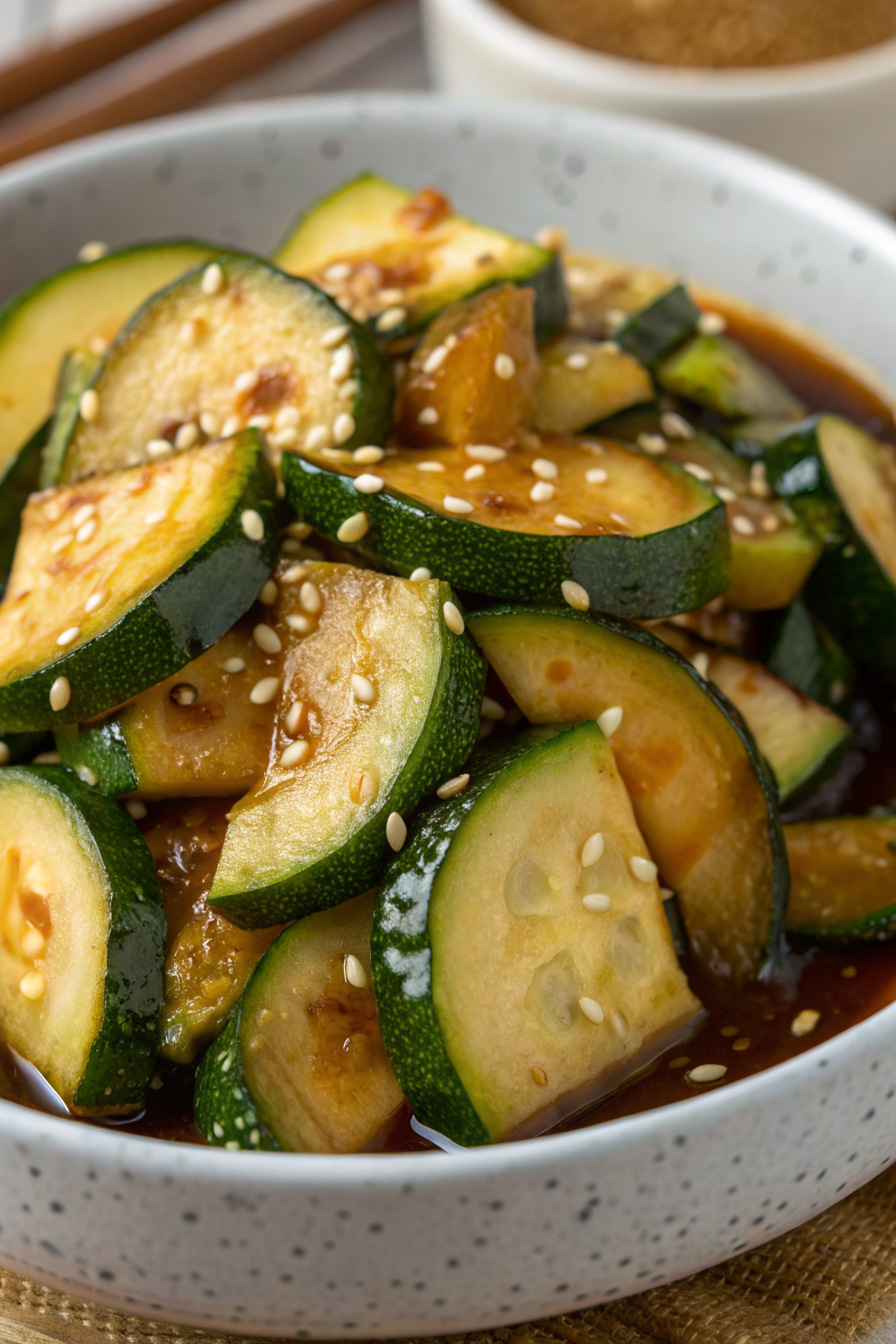
Hibachi Zucchini Recipe
Ingredients
Method
- Slice the zucchini and yellow squash into 1/2-inch thick half-moons. Cut the onion into thick wedges and the carrot into thin matchsticks or coins. Pat the zucchini and squash dry with a clean towel to remove excess moisture.
- In a small bowl, stir together the soy sauce, toasted sesame oil, rice vinegar, sugar, and water if using. Taste and adjust seasoning as desired, then set the sauce near the stove.
- Place a large skillet or griddle over medium-high heat until a drop of water sizzles and evaporates almost instantly. Add the neutral oil and swirl to coat the pan.
- Add the onion and carrot to the hot pan. Cook for 2 to 3 minutes, stirring only once or twice so they char in spots.
- Add the zucchini and yellow squash in as close to a single layer as possible. Let cook undisturbed for about 2 minutes to develop color, then toss and cook another 2 to 3 minutes until crisp-tender.
- Push the vegetables to the sides of the pan. Add the butter to the center and let it melt, then add the minced garlic and ginger into the melted butter. Stir for 20 to 30 seconds until fragrant, then toss the vegetables so they are coated in the garlicky butter.
- Pour the prepared sauce around the edges of the pan so it sizzles on contact. Toss the vegetables to coat and cook for about 1 minute, until the sauce slightly thickens and clings to the veggies. Taste and adjust with a pinch of salt or a splash of soy sauce if desired.
- Remove from heat and sprinkle with sesame seeds, green onion, and red pepper flakes if using. Add a small extra pat of butter if you like a richer, steakhouse-style finish. Serve hot.
Notes
Approximate per serving (4 servings): 120–150 calories; fat 10–12 g; saturated fat 3–4 g; carbohydrates 7–9 g; fiber 2 g; sugars 4–5 g; protein 3–4 g; sodium 350–450 mg. Values will vary based on brands, exact amounts of oil and butter used, and portion size.