
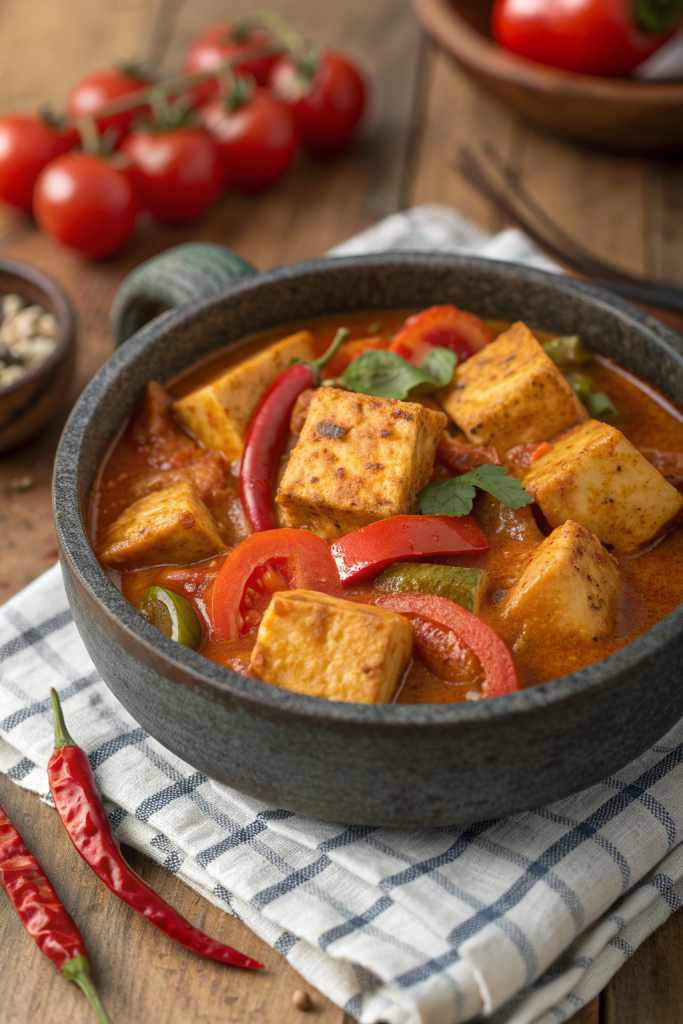
Vegan Paprikash Recipe tastes smoky, creamy, a little tangy, and wildly cozy, like a hug in a bowl with extra paprika. It works for busy weeknights or relaxed weekends, takes about 40 minutes total, and fits vegans, vegetarians, and anyone who loves hearty comfort food. I tested this on a chilly Tuesday in my tiny kitchen while my dog judged my onion-chopping skills from the corner.
Why Make This Vegan Paprikash Recipe at Home
This vegan paprikash recipe keeps all the rich, paprika-forward flavor of classic Hungarian paprikash without dairy or meat. You get a silky, spoon-coating sauce, tender veggies, and that signature red color that makes the whole pot look like cozy weather food.
You control the ingredients, so you skip mystery additives and adjust the spice level exactly how you like it. You also save money, use pantry staples, and end up with a big pot of leftovers that taste even better the next day.
“This Vegan Paprikash Recipe tastes just like the creamy comfort food I grew up with, only lighter and kinder, and I scraped my bowl clean. ★★★★★”
Ingredients You Need
Core ingredients
- Olive oil or avocado oil
- 1 large yellow onion, thinly sliced
- 3 cloves garlic, minced
- 1 red bell pepper, sliced into strips
- 1 yellow or orange bell pepper, sliced into strips
- 8 ounces cremini or button mushrooms, sliced
- 2 tablespoons sweet Hungarian paprika
- 1 teaspoon smoked paprika
- 1 teaspoon ground cumin
- 1 teaspoon dried thyme or oregano
- 2 tablespoons tomato paste
- 1 tablespoon soy sauce or tamari
- 1 teaspoon sugar or maple syrup
- 1 cup vegetable broth
- 1 cup canned crushed tomatoes or tomato sauce
- Salt and black pepper to taste
I like high quality Hungarian sweet paprika, such as Pride of Szeged or similar, because it tastes brighter and sweeter than generic paprika. Smoked paprika adds depth, so keep that in if you enjoy a slightly smoky vegan paprikash recipe. Use low sodium vegetable broth if you want more control over salt.
Creamy vegan base
- 1 cup raw cashews, soaked in hot water 20 minutes, then drained
- Pantry shortcut: use 1 cup unsweetened plain vegan sour cream or thick cashew yogurt instead.
- 1 tablespoon lemon juice
- 1 teaspoon apple cider vinegar
- 1 teaspoon nutritional yeast, optional, for a subtle cheesy note
You can swap cashews with silken tofu if you avoid nuts. Blend 1 cup silken tofu with the lemon juice and vinegar until smooth, then use it as the creamy base. I like cashews because they give a rich, velvety texture that clings to noodles or potatoes.
Carbs and add-ins
- 12 ounces egg-free pasta, spaetzle-style noodles, or wide ribbon pasta
- I often use rotini or fusilli because they hold the sauce well.
- Or 1 ½ pounds potatoes, peeled and cut into chunks, if you prefer paprikash over potatoes
- Fresh parsley or chives, chopped, for garnish
You can also add a can of chickpeas or white beans for extra protein. If you want more veggies, toss in zucchini slices or green beans during the simmer stage. This vegan paprikash recipe stays flexible, so use what you have.
Equipment list
- Large, wide skillet or Dutch oven
- Medium pot for pasta or potatoes
- High speed blender or regular blender for the cashew cream
- Cutting board and sharp knife
- Wooden spoon or silicone spatula
- Measuring cups and spoons
A wide skillet helps the onions and mushrooms brown instead of steam. A decent blender helps you get that ultra smooth cashew cream that makes this vegan paprikash recipe taste restaurant-level.
Tips & Mistakes
- Slice the onions thin so they soften and caramelize slightly instead of staying crunchy.
- Toast the paprika in the oil with the onions for 30 to 60 seconds so it blooms and tastes richer, but stop before it darkens or it turns bitter.
- Use sweet Hungarian paprika, not hot paprika, unless you want a much spicier paprikash.
- Avoid cheap, stale paprika because it tastes flat and dusty, not vibrant.
- Keep the heat at medium when you add paprika and tomato paste so they cook gently and do not scorch.
- Blend the cashew cream until completely smooth so the sauce tastes silky, not grainy.
- Add the cashew cream near the end of cooking so it stays creamy and does not thicken too much.
- Thin the sauce with a splash of broth or pasta water if it turns thicker than you like.
- Salt in layers, not just at the end, so the peppers, mushrooms, and sauce all taste seasoned.
- Taste and adjust the lemon juice and vinegar at the end to balance richness with a little tang.
How to Make Vegan Paprikash Recipe
Step 1: Soak cashews and prep veggies
- Pour hot water over the cashews in a bowl and let them soak for about 20 minutes.
- While they soak, slice the onion into thin half moons and cut the bell peppers into strips.
- Clean and slice the mushrooms, mince the garlic, and gather all spices so you move quickly once you start cooking.
Step 2: Start the base
- Heat a large skillet over medium heat and add a drizzle of oil.
- Add the sliced onion and a pinch of salt, then cook 6 to 8 minutes until the onion softens and turns lightly golden.
- Stir in the garlic and cook about 30 seconds until fragrant, so it does not burn.
Step 3: Add peppers and mushrooms
- Add the sliced bell peppers and mushrooms to the skillet and stir well.
- Cook 7 to 10 minutes, stirring occasionally, until the peppers soften and the mushrooms release their liquid and start to brown.
- If the pan looks dry, add a small splash of broth or a bit more oil to keep things moving.
Step 4: Build the paprika flavor
- Push the veggies to the sides of the pan and add a small drizzle of oil in the center.
- Sprinkle in the sweet paprika, smoked paprika, cumin, and thyme over the oil.
- Stir the spices into the oil and cook 30 to 60 seconds so they bloom and smell very fragrant.
- Mix the spices into the vegetables so everything turns a deep red color.
Step 5: Add tomato base and simmer
- Stir in the tomato paste and cook 1 to 2 minutes to caramelize it slightly.
- Add the soy sauce, sugar or maple syrup, crushed tomatoes, and vegetable broth.
- Stir well, bring the mixture to a gentle simmer, then lower the heat.
- Let it simmer 10 to 15 minutes so the flavors meld and the sauce thickens a bit.
Step 6: Cook pasta or potatoes
- While the sauce simmers, cook your pasta in salted water according to package directions until al dente.
- If you use potatoes, simmer them in salted water until fork tender, about 12 to 15 minutes.
- Drain and set aside, then keep them warm with a lid while you finish the vegan paprikash recipe.
Step 7: Blend the cashew cream
- Drain the soaked cashews and add them to a blender.
- Pour in about ½ cup water, the lemon juice, apple cider vinegar, and nutritional yeast if you use it.
- Blend until completely smooth and creamy, scraping down the sides as needed.
- Adjust with a splash more water if the mixture looks too thick to pour.
Step 8: Finish the sauce
- Lower the heat on the skillet to medium low.
- Pour the cashew cream into the paprika sauce while you stir.
- Stir until the sauce turns a rich, creamy orange and coats the vegetables.
- Taste and adjust salt, pepper, and acidity with a bit more lemon juice if you want more brightness.
Step 9: Combine and serve
- Add the cooked pasta or potatoes directly into the skillet and toss gently with the sauce.
- Coat everything evenly so every bite carries plenty of creamy paprika sauce.
- Sprinkle chopped parsley or chives on top.
- Serve the vegan paprikash recipe hot in deep bowls with extra sauce spooned over.
Variations I've Tried
I swap mushrooms with soy curls or seitan strips when I want a more traditional “meaty” feel in this vegan paprikash recipe. I also tried a version with cauliflower florets and green beans, which tasted lighter but still rich enough for comfort food status. On busy nights, I use jarred roasted red peppers instead of fresh ones and canned coconut milk instead of cashew cream, which turns the sauce extra silky with a faint coconut note.
If you avoid nuts and soy, I like a blend of silken tofu and oat milk for the creamy base. I also tried a spicy version with a pinch of hot paprika and red pepper flakes, which works nicely if you enjoy heat. Gluten free pasta or simple boiled potatoes both pair well with this sauce, so you can keep the vegan paprikash recipe gluten free without any drama.
How to Serve Vegan Paprikash Recipe
I like to serve this vegan paprikash recipe over wide noodles or fluffy mashed potatoes, with a big spoonful of extra sauce on top. Add a crisp side salad with cucumbers, tomatoes, and a light vinaigrette to cut through the richness. Warm crusty bread or simple garlic toast works great to scoop up every last bit of sauce. If you want a kid friendly plate, serve smaller pasta shapes with extra chopped parsley and a side of steamed peas or carrots.
How to store
- Cool leftovers to room temperature, then store the vegan paprikash recipe in an airtight container in the fridge for up to 4 days.
- Freeze portions in freezer safe containers for up to 2 months, and label them with the date so you stay organized.
- Reheat gently on the stovetop over medium low heat with a splash of water or broth, and stir often until hot and creamy again.
- You can also reheat in the microwave in short bursts, stirring between each burst so the sauce heats evenly and does not thicken too much.
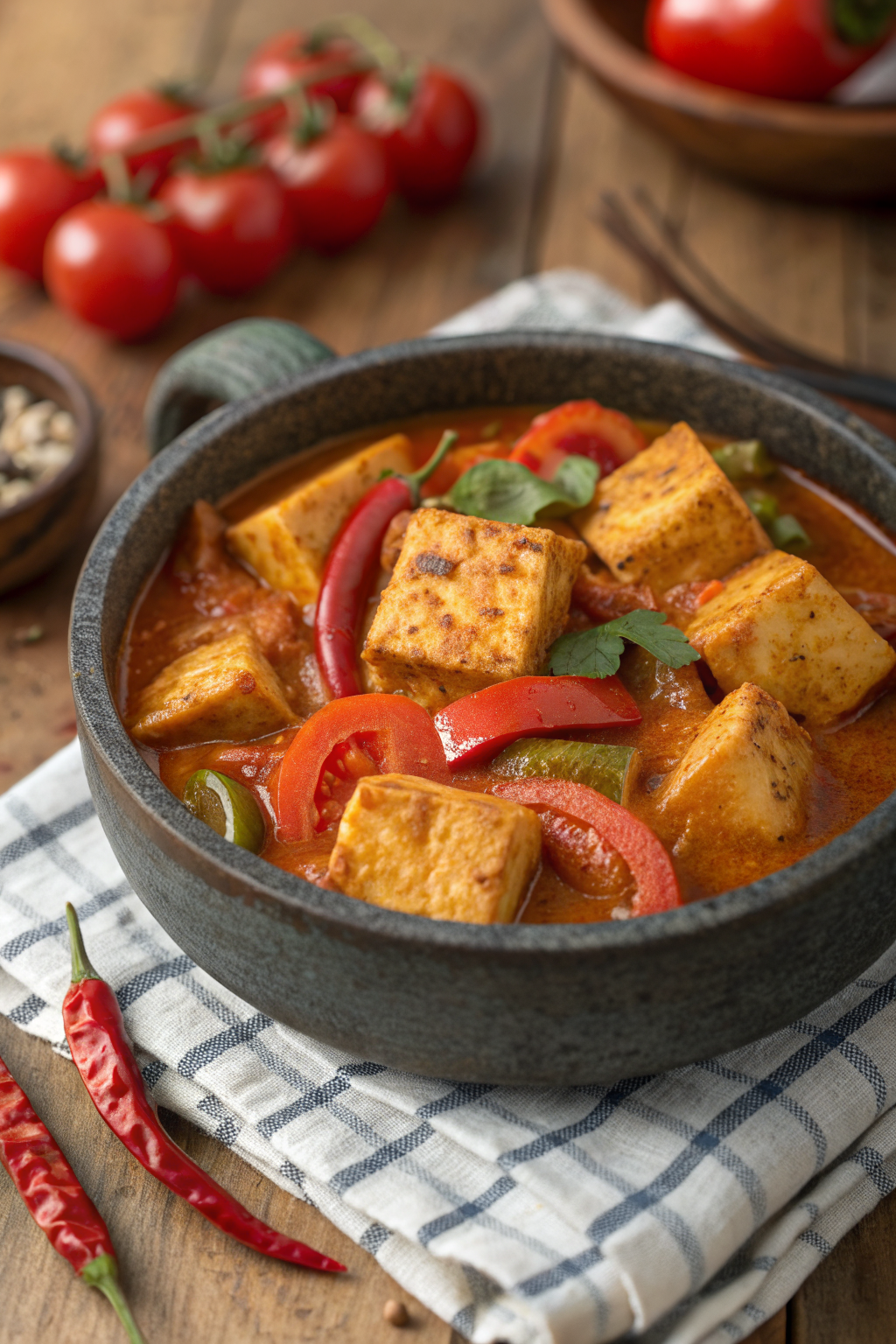
Vegan Paprikash Recipe
Ingredients
Method
- Pour hot water over the cashews in a bowl and let them soak for about 20 minutes, then drain.
- While the cashews soak, slice the onion into thin half moons, cut the bell peppers into strips, slice the mushrooms, and mince the garlic.
- Heat a large skillet over medium heat and add the oil. Add the sliced onion and a pinch of salt, then cook for 6 to 8 minutes, stirring occasionally, until softened and lightly golden.
- Stir in the garlic and cook for about 30 seconds until fragrant, without letting it brown.
- Add the sliced bell peppers and mushrooms to the skillet and stir well. Cook for 7 to 10 minutes, until the peppers soften and the mushrooms release their liquid and begin to brown. Add a splash of broth or more oil if the pan gets too dry.
- Push the vegetables to the sides of the pan and add a small drizzle of oil in the center. Sprinkle in the sweet paprika, smoked paprika, cumin, and thyme or oregano over the oil.
- Stir the spices into the oil and cook for 30 to 60 seconds to bloom them, until very fragrant but not darkened.
- Stir the spices into the vegetables until everything is well coated and deep red.
- Add the tomato paste and cook for 1 to 2 minutes, stirring, to caramelize it slightly.
- Stir in the soy sauce or tamari, sugar or maple syrup, crushed tomatoes or tomato sauce, and vegetable broth. Bring to a gentle simmer, then reduce the heat and let simmer for 10 to 15 minutes, until slightly thickened and flavorful.
- While the sauce simmers, cook the pasta in salted water according to package directions until al dente. Drain and set aside.
- Add the soaked and drained cashews to a blender with 1/2 cup water, lemon juice, apple cider vinegar, and nutritional yeast if using. Blend until completely smooth and creamy, adding a splash more water if needed so it pours easily.
- Reduce the heat under the skillet to medium low. Pour the cashew cream into the paprika sauce while stirring, and cook for 1 to 2 minutes until the sauce turns creamy and orange and coats the vegetables.
- Taste and adjust with salt, black pepper, and more lemon juice if you want extra brightness. Thin the sauce with a splash of broth or pasta water if it is thicker than you like.
- Add the cooked pasta to the skillet and toss gently until everything is evenly coated in the creamy paprika sauce.
- Serve hot in deep bowls, topped with chopped parsley or chives if desired.
Notes
Approximate per serving (4 servings): 560 calories; fat 24 g; saturated fat 4 g; carbohydrates 76 g; fiber 8 g; sugars 15 g; protein 17 g; sodium 820 mg. Values are estimates and will vary based on specific ingredient brands, optional add-ins, and portion size.