
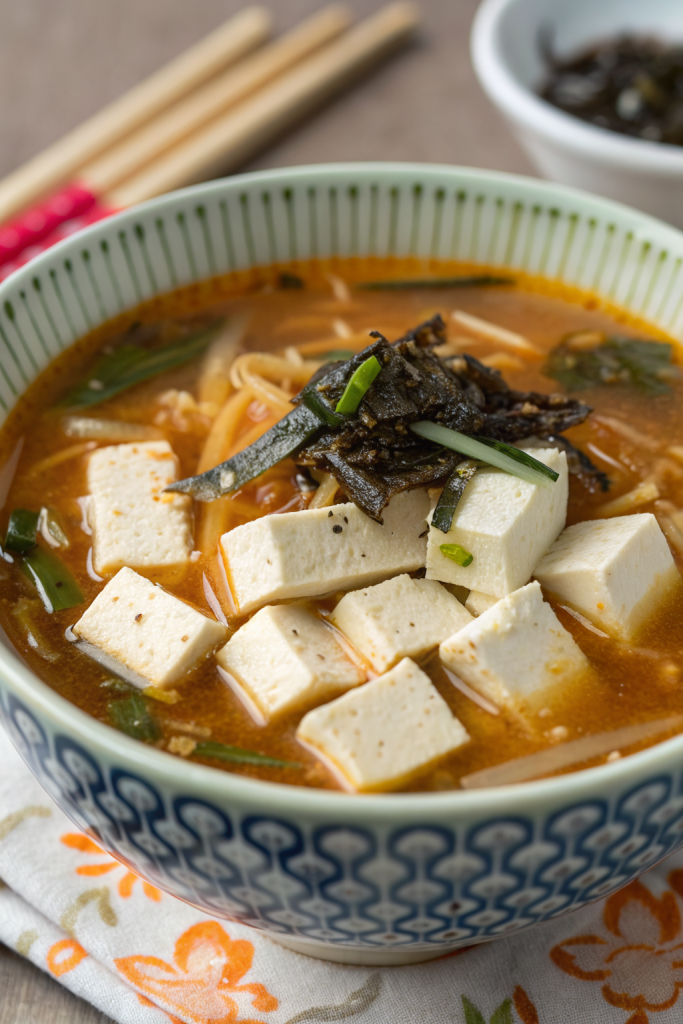
10 Japanese Recipe Ideas like chicken teriyaki bowls, veggie okonomiyaki, miso soup, gyudon, salmon onigiri, chicken katsu, tofu katsu curry, yakisoba, tamagoyaki, and matcha pudding bring salty-sweet comfort, cozy umami, and a little street-food fun to your kitchen. These recipes work well for busy weeknights, meal prep fans, and anyone who wants big flavor in about 20 to 45 minutes per dish. I tested versions of all of these in my tiny apartment kitchen while my smoke alarm judged my pan-searing skills.
Why Make This 10 Japanese Recipe Ideas at Home
Cooking these 10 Japanese Recipe Ideas at home gives you restaurant-level flavor with way more control over salt, sugar, and oil. You adjust spice, swap proteins, and keep things budget friendly with pantry shortcuts like bottled teriyaki sauce or instant dashi.
You also learn core Japanese cooking techniques that repeat across recipes, like making rice properly, balancing sweet and salty sauces, and using miso. Once you nail those, you riff on these dishes all week without feeling stuck in a rut.
My family said this 10 Japanese Recipe Ideas lineup tasted better than our local spot and asked when I could make it again ★★★★★
Ingredients You Need
Below you will find a master list that covers all 10 Japanese Recipe Ideas. You do not need everything for each recipe, so pick and choose based on what you plan to cook.
Core pantry staples
-
Japanese short grain rice
- Use brands like Kokuho Rose, Nishiki, or Tamaki Gold.
- Short grain gives the right stickiness for bowls and onigiri.
-
Soy sauce
- Use regular Japanese-style soy sauce, not low sodium for best flavor.
- If you watch sodium, cut with a splash of water and a pinch of sugar.
-
Mirin
- Sweet rice wine that gives sauces shine and mild sweetness.
- If you cannot find it, mix 3 parts rice vinegar with 1 part sugar as a backup.
-
Sake (cooking sake or regular)
- Adds depth to teriyaki, gyudon, and sauces.
- If you avoid alcohol, use water plus a little extra soy sauce and sugar.
-
Sugar
- White sugar works best for clean flavor.
- You can use light brown sugar in teriyaki and katsu curry for a deeper taste.
-
Miso paste
- White miso for mild and slightly sweet flavor.
- Red miso for stronger, saltier flavor. White miso works best for beginners.
-
Dashi
- Use instant dashi granules for speed.
- You can also use low sodium chicken broth with a piece of kombu for a similar effect.
-
Rice vinegar
- Needed for sushi rice, onigiri seasoning, and quick pickles.
-
Sesame oil
- Toasted sesame oil adds big flavor in small amounts.
- Add at the end of cooking so it keeps its aroma.
-
Neutral oil
- Use canola, vegetable, or grapeseed oil for frying and stir frying.
Fresh proteins
-
Chicken thighs
- Perfect for chicken teriyaki and chicken katsu because they stay juicy.
-
Chicken breast
- Works for lighter teriyaki or katsu if you slice it thinner and avoid overcooking.
-
Thinly sliced beef
- Use ribeye or sirloin for gyudon.
- Ask the butcher to slice it thin or slice it yourself while partially frozen.
-
Salmon fillets
- Use skin-on for pan searing and onigiri filling.
- Canned salmon works in a pinch for salmon onigiri.
-
Firm or extra firm tofu
- Use for tofu katsu and curry.
- Press it for at least 15 minutes so it crisps better.
-
Eggs
- Needed for tamagoyaki, katsu breading, and okonomiyaki batter.
Vegetables and aromatics
-
Green onions
- Use as garnish on miso soup, gyudon, and yakisoba.
-
Yellow onions
- Essential for gyudon and yakisoba sweetness.
-
Cabbage
- Use in okonomiyaki and yakisoba.
- Napa or regular green cabbage both work.
-
Carrots
- Great in yakisoba and curry.
-
Garlic and ginger
- Fresh garlic and ginger give teriyaki, yakisoba, and curry real punch.
- Keep frozen cubes on hand as a shortcut.
-
Potatoes
- Use waxy potatoes for katsu curry so they hold shape.
Dry goods and specialty items
-
Panko breadcrumbs
- Japanese style breadcrumbs that fry up extra crisp for katsu.
-
All purpose flour
- Needed for katsu dredging and okonomiyaki batter.
-
Okonomiyaki flour (optional)
- Nice to have, but you can use all purpose flour with a little dashi instead.
-
Yakisoba noodles
- Use fresh or vacuum packed noodles from the Asian section.
- In a pinch, use cooked ramen noodles without the seasoning packet.
-
Nori sheets
- Needed for onigiri and as a topping for okonomiyaki and yakisoba.
-
Katsuobushi (bonito flakes)
- Optional but tasty on okonomiyaki and yakisoba.
-
Matcha powder
- Use culinary grade matcha for pudding.
- Sift it to avoid clumps.
-
Gelatin or agar agar
- Needed to set matcha pudding.
- Agar agar works if you prefer a vegetarian option.
Sauces and condiments
-
Japanese mayonnaise
- Brands like Kewpie taste richer and creamier.
- Use on okonomiyaki and in some onigiri fillings.
-
Okonomiyaki sauce or tonkatsu sauce
- Use for okonomiyaki and katsu.
- If you cannot find it, mix ketchup, Worcestershire, soy sauce, and a bit of sugar.
-
Curry roux blocks
- Huge shortcut for Japanese curry.
- Choose mild, medium, or hot based on your spice comfort.
-
Teriyaki sauce (bottled or homemade)
- Bottled sauce saves time on weeknights.
- Homemade uses soy sauce, mirin, sake, and sugar.
Equipment list
- Rice cooker or heavy pot with lid
- Nonstick skillet for tamagoyaki and teriyaki
- Cast iron or stainless skillet for searing and yakisoba
- Medium pot for miso soup and curry
- Deep pan or Dutch oven for shallow frying katsu
- Sharp chef’s knife and cutting board
- Small tamagoyaki pan (optional but fun)
- Mixing bowls, whisk, and measuring spoons
- Fine mesh strainer for miso and matcha
Tips & Mistakes
-
Cook rice with a little less water than package directions so it stays firm for bowls and onigiri.
-
Rinse rice until the water runs almost clear or you end up with gummy rice.
-
Slice beef and vegetables thin for gyudon and yakisoba so they cook fast and stay tender.
-
Dry proteins with paper towels before searing or frying to avoid oil splatter and soggy crusts.
-
Press tofu at least 15 to 20 minutes or it will not crisp in katsu or stir fries.
-
Heat oil long enough before frying; a breadcrumb should sizzle right away when it hits the oil.
-
Season miso soup at the end and taste; miso varies in saltiness and can surprise you.
-
Add miso off the heat so you keep its flavor and nutrients.
-
Do not crowd the pan when you fry katsu or the temperature drops and the crust turns greasy.
-
Use medium heat for tamagoyaki; high heat burns the outside before the inside sets.
-
Thin sauces with water or dashi instead of more soy sauce so you avoid oversalting.
-
Chill onigiri slightly before shaping or the rice sticks to your hands like glue.
-
Use plastic wrap or damp hands to shape onigiri neatly.
-
Stir matcha with a small whisk or frother to remove clumps before you add it to pudding.
-
Taste yakisoba sauce as you go; noodles soak up flavor quickly and can turn too salty.
-
Keep vegetables slightly crisp in yakisoba and okonomiyaki so the dish does not feel heavy.
How to Make 10 Japanese Recipe Ideas
1. Chicken teriyaki rice bowls
-
Rinse short grain rice and cook it in a rice cooker or pot.
-
Cut chicken thighs into bite size pieces and pat them dry.
-
Mix soy sauce, mirin, sake, and sugar in a small bowl.
-
Sear chicken in a hot skillet with a little oil until browned on both sides.
-
Pour the teriyaki mixture over the chicken and lower the heat.
-
Simmer until the sauce thickens and coats the chicken.
-
Spoon rice into bowls, top with chicken and extra sauce.
-
Garnish with green onions and toasted sesame seeds.
2. Veggie okonomiyaki (savory cabbage pancakes)
-
Shred cabbage thinly and slice green onions.
-
In a bowl, whisk eggs, flour, dashi or water, and a pinch of salt into a thick batter.
-
Fold cabbage and green onions into the batter until coated.
-
Heat oil in a nonstick skillet over medium heat.
-
Spoon batter into the pan and shape it into a round pancake.
-
Cook until the bottom turns golden, then flip carefully.
-
Cook the other side until the center feels set.
-
Top with okonomiyaki sauce, Japanese mayo, nori strips, and bonito flakes if you like.
3. Simple miso soup
-
Heat water in a pot and add instant dashi granules.
-
Cut tofu into small cubes and slice green onions.
-
Add tofu to the hot dashi and simmer gently for a few minutes.
-
Turn off the heat.
-
In a small bowl, mix miso paste with a ladle of hot broth until smooth.
-
Stir the miso mixture back into the pot.
-
Taste and adjust with a little more miso or water.
-
Serve hot with green onions on top.
4. Gyudon (beef and onion rice bowl)
-
Slice onions thin and cut thinly sliced beef into bite size pieces.
-
In a pan, combine dashi, soy sauce, mirin, sugar, and a splash of sake.
-
Add onions and simmer until they turn soft and sweet.
-
Add beef and cook just until it loses its pink color.
-
Spoon hot rice into bowls.
-
Top rice with beef and onions plus some of the cooking broth.
-
Garnish with pickled ginger and green onions.
-
Serve right away while the rice stays hot.
5. Salmon onigiri (rice balls)
-
Season salmon with salt and pan sear it until cooked through.
-
Flake the salmon and mix it with a little soy sauce and Japanese mayo.
-
Let cooked rice cool until warm, not hot.
-
Wet your hands or use plastic wrap to keep rice from sticking.
-
Place some rice in your hand, add a spoonful of salmon filling, and cover with more rice.
-
Shape into a triangle or ball by pressing gently but firmly.
-
Wrap a strip of nori around the bottom.
-
Keep onigiri covered with a damp towel until serving so they do not dry out.
6. Chicken katsu
-
Pound chicken thighs or breasts to an even thickness.
-
Season both sides with salt and pepper.
-
Set up three bowls: flour, beaten eggs, and panko.
-
Dredge chicken in flour, dip in egg, then coat in panko.
-
Heat oil in a deep pan until a breadcrumb sizzles on contact.
-
Fry chicken until golden brown on each side and cooked through.
-
Drain on a wire rack or paper towels.
-
Slice into strips and serve with rice and tonkatsu sauce.
7. Tofu katsu curry
-
Press firm tofu to remove excess moisture, then slice into cutlet shapes.
-
Season tofu lightly and coat it in flour, egg, and panko like chicken katsu.
-
Fry until crisp and golden, then set aside.
-
In a pot, sauté onions, carrots, and potatoes in a little oil.
-
Add water and simmer until vegetables turn tender.
-
Turn off heat and stir in curry roux blocks until they melt.
-
Turn heat back to low and simmer until the curry thickens.
-
Serve curry over rice and top with sliced tofu katsu.
8. Yakisoba (stir fried noodles)
-
Slice cabbage, onions, and carrots thinly.
-
Loosen yakisoba noodles under warm water if they feel stuck together.
-
Mix yakisoba sauce from the packet or combine Worcestershire, soy sauce, ketchup, and sugar.
-
Heat oil in a large skillet and cook vegetables until just tender.
-
Add noodles and toss with tongs until they separate and heat through.
-
Pour sauce over noodles and toss until coated.
-
Taste and adjust with a little more sauce if needed.
-
Top with green onions, nori strips, and bonito flakes if you like.
9. Tamagoyaki (rolled omelet)
-
Beat eggs with a pinch of sugar, soy sauce, and a splash of dashi or water.
-
Heat a small nonstick pan over medium low heat and oil it lightly.
-
Pour a thin layer of egg into the pan and tilt to coat.
-
When the egg sets but still looks slightly soft on top, roll it from one side to the other with chopsticks or a spatula.
-
Push the roll to one side, oil the empty part of the pan, and pour in more egg.
-
Lift the roll so egg flows underneath it.
-
When this layer sets, roll again, wrapping it around the first roll.
-
Repeat until you use all the egg, then slice the roll into pieces.
10. Matcha pudding
-
Sprinkle gelatin over cold water and let it bloom.
-
Heat milk with sugar in a small pot until hot but not boiling.
-
In a bowl, whisk matcha with a little hot milk until smooth.
-
Stir the matcha mixture back into the pot.
-
Add bloomed gelatin and stir until it dissolves completely.
-
Taste and adjust sweetness if needed.
-
Pour into small cups and chill in the fridge until set, about 2 to 4 hours.
-
Serve with a dollop of whipped cream or a few berries on top.
Variations I've Tried
-
Swap chicken with salmon or tofu in teriyaki bowls and keep the same sauce.
-
Add shrimp or squid to okonomiyaki and yakisoba for a seafood version.
-
Use brown rice instead of white rice for bowls and onigiri if you like more fiber.
-
Stir a spoonful of miso into curry at the end for extra umami depth.
-
Make spicy versions of yakisoba and gyudon with chili oil or shichimi togarashi.
-
Fill onigiri with tuna mayo, pickled plum, or leftover teriyaki chicken.
-
Add cheese inside tamagoyaki for a kid friendly twist.
-
Turn matcha pudding into a parfait with layers of granola and fruit.
How to Serve 10 Japanese Recipe Ideas
Serve these 10 Japanese Recipe Ideas family style and let everyone build their own plate or bowl. Pair a main like chicken teriyaki, gyudon, or tofu katsu curry with a small bowl of miso soup and a simple cucumber salad. Add onigiri as a snack or lunchbox item, and use tamagoyaki as a side or breakfast dish. Finish the meal with chilled matcha pudding and fresh fruit for a light, sweet ending.
How to store
-
Chicken teriyaki, gyudon, yakisoba, okonomiyaki, and curry: store in airtight containers in the fridge for up to 3 days; reheat gently on the stove or in the microwave with a splash of water.
-
Cooked rice: keep in the fridge up to 3 days; sprinkle with water and reheat covered in the microwave.
-
Onigiri: wrap tightly in plastic; keep at room temperature up to 6 hours or in the fridge up to 1 day, then bring to room temperature before eating.
-
Katsu (chicken or tofu): store in the fridge up to 2 days; reheat in the oven or air fryer so the crust crisps again.
-
Miso soup: keep the broth and miso separate if possible; store in the fridge up to 3 days and add miso after reheating the broth.
-
Tamagoyaki: store slices in an airtight container in the fridge up to 2 days; eat cold or at room temperature.
-
Matcha pudding: cover each cup and keep in the fridge up to 4 days; serve chilled straight from the fridge.
-
Avoid freezing most of these dishes except plain cooked rice and curry, which freeze well for up to 1 month in freezer safe containers.