
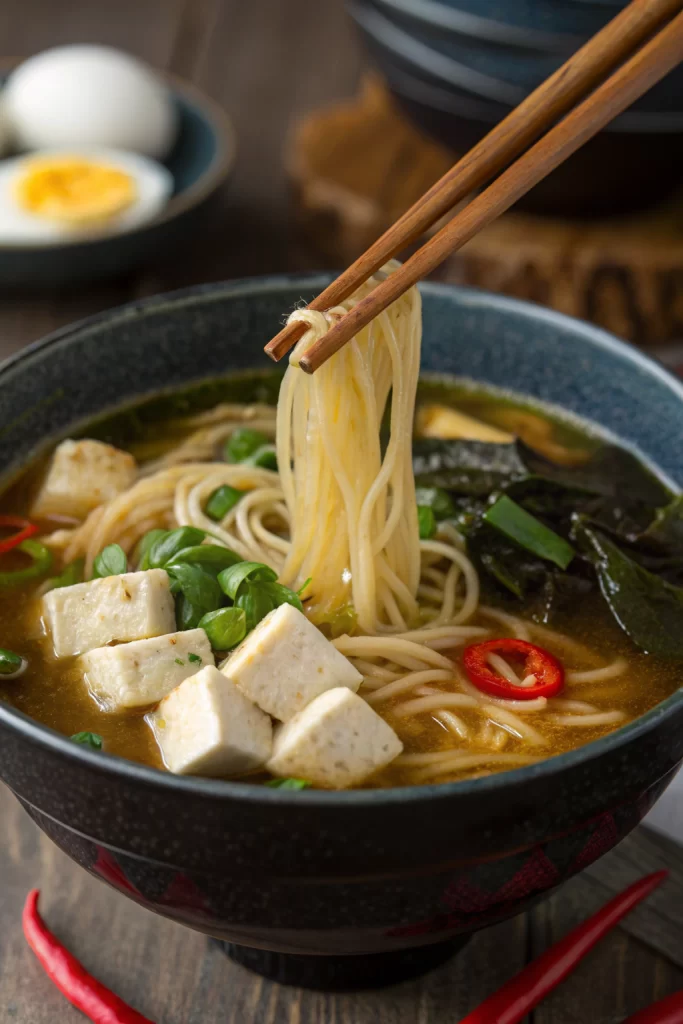
Harusame Japanese Glass Noodle Soup Recipe tastes light yet deeply savory, with slippery glass noodles, tender veggies, and a clean, comforting broth that feels like a hug in a bowl. It works perfectly for busy weeknights or cozy lunches, and you can get it on the table in about 30 minutes. I first cooked this on a rainy Tuesday in a tiny apartment kitchen, and it still feels like my go-to “reset” meal.
Why Make This Harusame Japanese Glass Noodle Soup Recipe at Home
You control the salt, the veggies, and the protein, so this soup fits your mood and your pantry. Restaurant versions often taste too salty or too oily, while this homemade version tastes clean, balanced, and satisfying.
You also cook it very quickly, which makes it perfect for weeknights or lazy Sundays. The glass noodles soak and soften in minutes, and the broth comes together faster than delivery.
“This Harusame Japanese Glass Noodle Soup Recipe tastes light, cozy, and restaurant-level good, but I whipped it up in under 30 minutes at home. ★★★★★”
Ingredients You Need
Here is what you need for a classic Harusame Japanese Glass Noodle Soup Recipe that tastes authentic yet still weeknight friendly.
Glass noodles
- Harusame glass noodles (potato starch or mung bean starch)
- Look for clear, thin bundles labeled “harusame” in Japanese or Asian markets.
- Potato starch noodles stay a bit firmer, while mung bean noodles turn extra slippery.
- Use rice vermicelli as a backup if you cannot find harusame, but the texture changes slightly.
Broth base
- Low sodium chicken broth or vegetable broth, 4 cups
- Use a good quality boxed broth if you do not have homemade stock.
- Choose low sodium so you control the salt with soy sauce.
- Water, 1 to 2 cups, to adjust strength of flavor
- Dashi powder or dashi packet, optional but recommended
- A small spoonful of instant dashi adds classic Japanese depth.
- If you skip it, add a bit more soy sauce and a splash of mirin.
Seasoning
- Soy sauce, 2 to 3 tablespoons
- Use regular Japanese soy sauce like Kikkoman or Yamasa.
- Use tamari for a gluten free version.
- Mirin, 1 to 2 tablespoons
- Adds gentle sweetness and shine.
- If you do not have mirin, use a mix of sugar and a splash of apple juice.
- Toasted sesame oil, 1 teaspoon
- Adds nutty aroma at the end.
- Salt and black pepper, to taste
- Optional: a small pinch of sugar if the broth tastes too sharp
Aromatics and vegetables
- Neutral oil (canola, avocado, or light olive oil), 1 tablespoon
- Garlic, 2 to 3 cloves, minced
- Fresh ginger, 1 tablespoon, minced or grated
- Green onions, 3 to 4, sliced (white and green parts separated)
- Carrot, 1 medium, cut into thin matchsticks
- Napa cabbage or regular green cabbage, 2 cups, thinly sliced
- Shiitake mushrooms or cremini mushrooms, 1 cup, sliced
- Optional veggies: baby spinach, bok choy, bean sprouts, snow peas
- Toss quick cooking greens in at the end so they stay bright.
Protein options
Pick one or mix a couple.
- Thinly sliced chicken thigh or breast, about 1 cup
- Firm or extra firm tofu, cubed, 1 cup
- Shrimp, peeled and deveined, 1 cup
- Egg, lightly beaten, 1 or 2, for egg drop style ribbons
- Leftover rotisserie chicken, shredded, about 1 cup
Toppings
- Extra sliced green onions
- Toasted sesame seeds
- Chili oil or shichimi togarashi for heat
- A squeeze of lime or lemon if you like a citrus kick
- Nori strips or furikake for extra Japanese flavor
Equipment list
- Medium or large pot
- Heatproof bowl for soaking noodles
- Cutting board and sharp knife
- Measuring cups and spoons
- Ladle and tongs or chopsticks
- Small strainer if you use dashi packets
Tips & Mistakes
- Soak the glass noodles in hot water, not boiling water, so they soften without turning mushy.
- Cut long noodles with kitchen scissors after soaking so you avoid awkward slurping battles.
- Slice veggies thinly so they cook quickly and stay tender crisp.
- Add delicate greens and bean sprouts at the very end so they stay bright and not soggy.
- Taste the broth before you add noodles and adjust soy sauce, mirin, and salt so the flavor hits just right.
- Do not overcook the noodles in the pot, since they keep softening in the hot broth.
- Use low sodium broth so the soup does not turn overly salty once you add soy sauce.
- Brown chicken or shrimp lightly before adding broth so you build flavor instead of boiling bland meat.
- Stir the soup in circles when you drizzle in beaten egg so you get pretty ribbons instead of clumps.
- Serve the soup right after you add noodles, since long sitting times in hot broth make them too soft.
How to Make Harusame Japanese Glass Noodle Soup Recipe
Step 1: Soak the glass noodles
- Place the harusame glass noodles in a large heatproof bowl.
- Pour very hot tap water or just off boil water over the noodles until they submerge fully.
- Let them soak for 10 to 15 minutes until they turn clear and flexible.
- Drain the noodles, rinse briefly with cool water, and cut them a few times with kitchen scissors.
Step 2: Prep veggies and aromatics
- While the noodles soak, slice green onions, separating white and green parts.
- Mince garlic and ginger.
- Slice cabbage, mushrooms, and carrot into thin pieces so they cook quickly.
- Cut your protein into bite size pieces if you use chicken, tofu, or shrimp.
Step 3: Build the flavor base
- Heat the neutral oil in a medium or large pot over medium heat.
- Add the white parts of the green onions, garlic, and ginger.
- Sauté for 1 to 2 minutes until fragrant and lightly golden, and stir often so nothing burns.
- Add mushrooms and carrot, and cook for 2 to 3 minutes until they start to soften.
Step 4: Cook the protein
- Add your chosen protein to the pot.
- If you use chicken, cook until the pieces lose their pink color on the outside.
- If you use shrimp, cook until they start to curl and turn opaque.
- If you use tofu, stir gently so the cubes keep their shape and pick up flavor from the aromatics.
Step 5: Add broth and seasonings
- Pour in the chicken or vegetable broth and 1 cup of water.
- Stir in soy sauce and mirin, then add a small spoonful of dashi powder if you use it.
- Bring the soup to a gentle boil, then lower to a simmer.
- Taste and adjust with more soy sauce, a pinch of salt, or a tiny bit of sugar if the flavor needs balance.
Step 6: Add vegetables and noodles
- Add sliced cabbage and any sturdy veggies like snow peas.
- Simmer for 3 to 4 minutes until the cabbage turns tender but still slightly crisp.
- Add the soaked and drained glass noodles to the pot.
- Simmer for 1 to 2 minutes, just until the noodles heat through and soak up some broth.
Step 7: Optional egg ribbons
- If you want egg ribbons, lower the heat so the soup gently simmers.
- Stir the soup in one direction with chopsticks or a spoon to create a swirl.
- Slowly drizzle in the beaten egg while you keep stirring.
- Cook for 1 minute until the egg sets into soft ribbons.
Step 8: Finish and season
- Turn off the heat and stir in toasted sesame oil and the green parts of the green onions.
- Taste again and adjust seasoning one last time.
- Ladle the Harusame Japanese Glass Noodle Soup Recipe into bowls.
- Top with sesame seeds, extra green onions, chili oil, or nori strips as you like.
Variations I’ve Tried
I swap chicken for tofu when I want a lighter, plant focused version, and I bump up the mushrooms for extra umami. Shrimp with lots of napa cabbage and a squeeze of lime tastes bright and fresh, almost like a Japanese twist on noodle soup from a seaside cafe.
Sometimes I add a spoonful of miso paste at the end for a richer, cloudier broth. On cold nights I toss in extra chili oil and shichimi togarashi for a spicy Harusame Japanese Glass Noodle Soup Recipe that clears my sinuses in the best way.
How to Serve Harusame Japanese Glass Noodle Soup Recipe
Serve this Harusame Japanese Glass Noodle Soup Recipe piping hot in deep bowls so the noodles have room to float. Add extra toppings on the table like sliced green onions, sesame seeds, chili oil, and lime wedges so everyone customizes their own bowl. Pair it with a simple cucumber salad, steamed rice, or some edamame for a full meal that still feels light.
I also pack it in a thermos for lunch, and the noodles stay tender while the broth keeps its flavor.
How to store
- Cool the soup to room temperature within 1 hour, then store it in airtight containers in the fridge for up to 3 days.
- If you plan to store leftovers, keep noodles and broth in separate containers so the noodles do not over soften.
- Freeze the broth with veggies and protein (without noodles) for up to 2 months, then add freshly soaked noodles when you reheat.
- Reheat gently on the stove over medium low heat until hot, and add a splash of water or broth if it tastes too concentrated.
- If you use a microwave, heat in short bursts, stir often, and add a drizzle of fresh soy sauce or sesame oil to wake up the flavor.

Harusame Japanese Glass Noodle Soup
Ingredients
Method
- Soak the harusame noodles in warm water for 10 minutes, then drain and cut into shorter lengths if desired.
- In a medium pot, bring the dashi broth to a gentle boil over medium heat.
- Add soy sauce, mirin, sesame oil, and grated ginger. Stir to combine.
- Add napa cabbage, carrot, and shiitake mushrooms. Simmer for 5–7 minutes until the vegetables are tender.
- Add the drained harusame noodles to the pot and cook for 2–3 minutes until translucent and tender.
- Season with salt and white pepper to taste.
- Ladle the soup into bowls and garnish with sliced green onions. Serve hot.
Notes
Approximate per serving: 120 calories; fat 3 g; saturated fat 0.5 g; carbohydrates 20 g; fiber 2 g; sugars 5 g; protein 4 g; sodium 820 mg. Values will vary based on brands, add-ins, and portion size.