
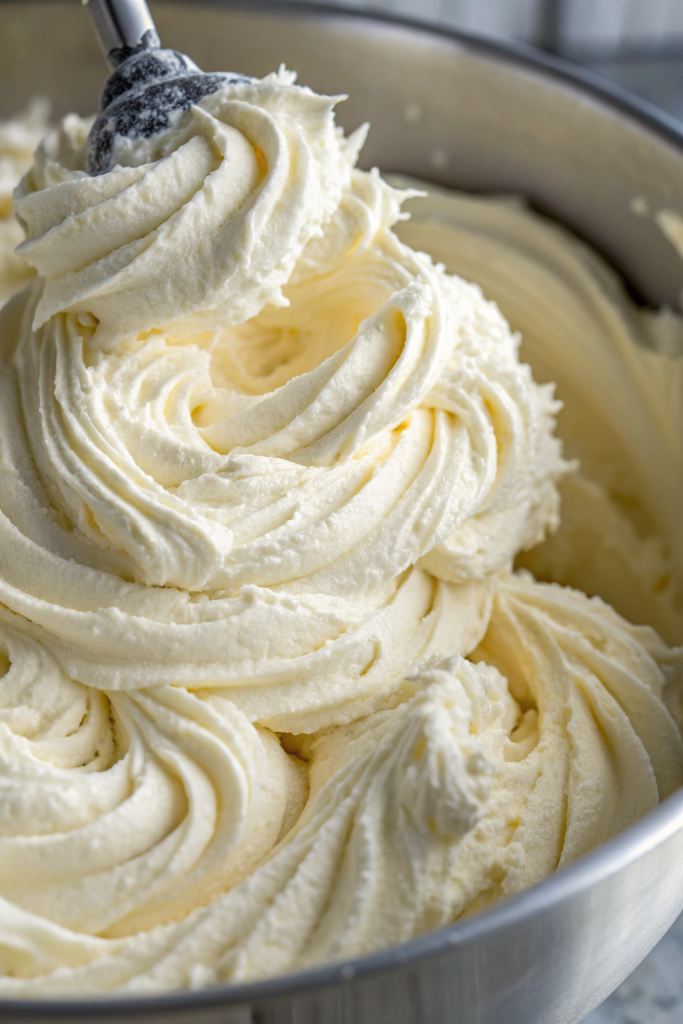
How to make Swiss Meringue Buttercream tastes silky, light, and not-too-sweet, and it works perfectly for people who want bakery-style frosting in about 35 to 45 minutes. It suits home bakers who feel tired of gritty American buttercream and want something smoother for cakes, cupcakes, and fancy layer desserts. I still remember the first time I nailed it in my tiny apartment kitchen and did a quiet victory dance next to the stand mixer.
Why Swiss Meringue Buttercream Is Worth It
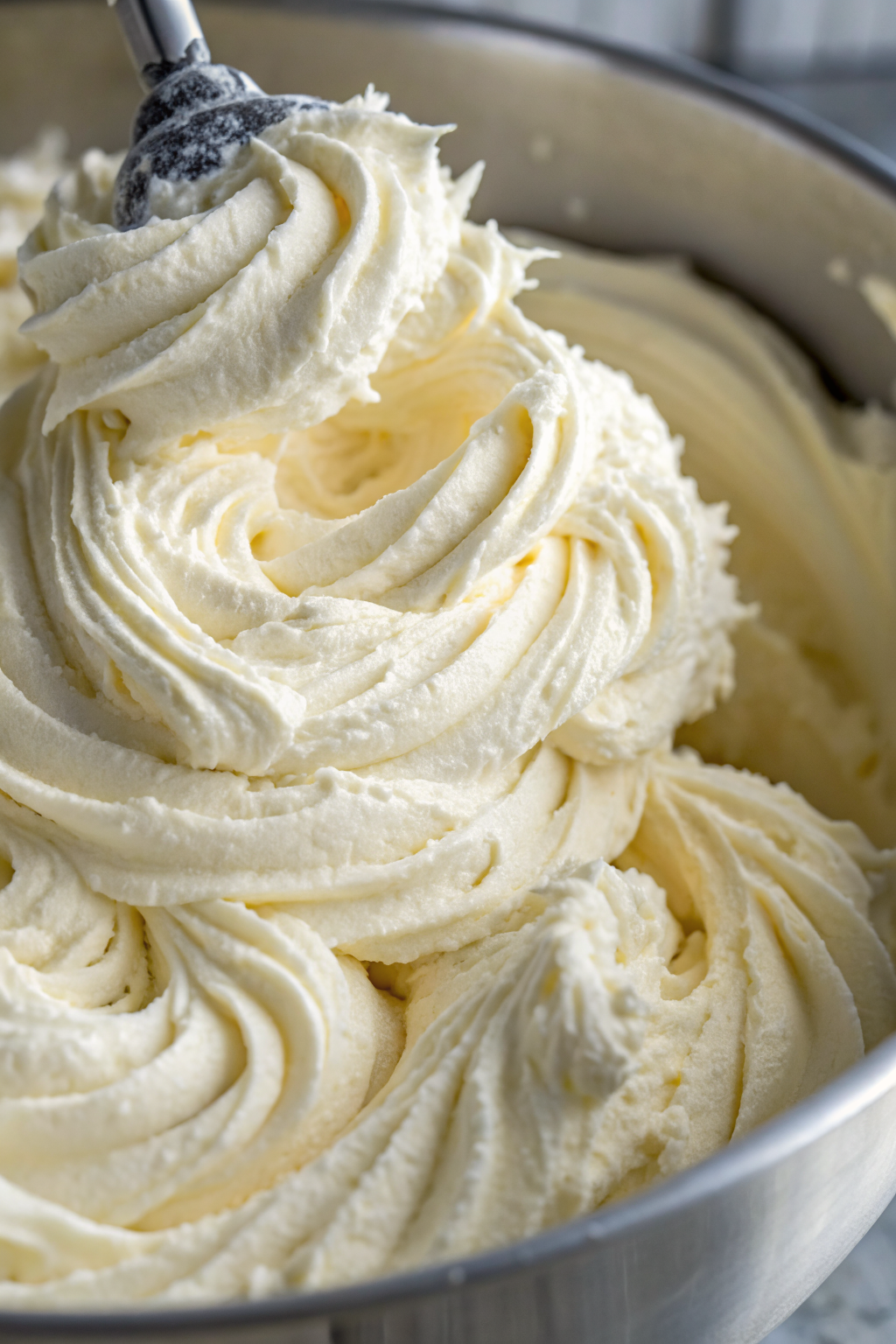
Swiss meringue buttercream tastes smooth, creamy, and satiny with a gentle sweetness that lets vanilla, chocolate, or fruit flavors shine. It spreads like a dream, pipes sharp details, and never feels heavy or cloying.
You cook the egg whites and sugar together, so the mixture reaches a safe temperature and dissolves every sugar crystal. The method looks fussy at first, yet once you try it a couple of times, it turns into a reliable, almost meditative routine.
This Swiss Meringue Buttercream recipe gives the smoothest, glossiest frosting I have ever used on a cake, and it tastes like a bakery made it ★★★★★
Ingredients You Need
Egg whites
- 5 large egg whites, room temperature
- Separate them carefully so no yolk sneaks in, or the meringue will struggle.
- Use carton egg whites only if the label says they work for meringue.
Sugar
- 1 and 1/2 cups granulated sugar
- Use regular white sugar, not coarse or raw sugar, so it dissolves fully.
- Avoid powdered sugar, since cornstarch in it changes the texture.
Butter
- 2 cups unsalted butter, room temperature, cut into tablespoons
- Choose a good quality butter with at least 82 percent fat for the best texture.
- Salted butter works in a pinch, but then skip extra salt and taste as you go.
Flavorings
- 2 teaspoons pure vanilla extract or vanilla bean paste
- 1/8 to 1/4 teaspoon fine sea salt, to taste
- Optional: 2 to 4 tablespoons melted and cooled chocolate, fruit puree, espresso, or caramel for variations
Pantry shortcuts and notes
- Use vanilla bean paste when you want those pretty specks without buying whole beans.
- Use store bought fruit jams or curds to flavor small batches instead of cooking fruit fillings from scratch.
- Use instant espresso powder for coffee flavor, since it dissolves easily in a spoonful of hot water.
Equipment list
- Stand mixer with whisk and paddle attachments
- A hand mixer works, but it takes longer and your arm will feel it.
- Heatproof mixing bowl that fits snugly over a saucepan
- Medium saucepan with a couple inches of water
- Instant read thermometer or candy thermometer
- Silicone spatula
- Metal or glass bowl only, since plastic can hold grease
- Small offset spatula or bench scraper for frosting cakes
Quick Tips & substitutions
- Wipe the bowl and whisk with a little vinegar on a paper towel to remove any grease.
- Separate eggs while they are cold, then let the whites warm up for better volume.
- Heat the sugar and whites until they reach 160°F, then whip immediately.
- If the meringue feels warm, keep whipping until it cools before you add butter.
- If the buttercream looks curdled, keep mixing; it usually smooths out.
- If it looks soupy, chill the bowl for 10 minutes, then whip again.
- Swap half the butter with high ratio shortening if you need extra stability in hot weather.
- Add flavorings only after the buttercream turns smooth and fluffy.
- Use vegan butter sticks and aquafaba meringue for a dairy free and egg free version.
- Use pasteurized carton egg whites if you feel nervous about separating eggs, but check that they whip well.
How to make Swiss Meringue Buttercream
Step 1: Set up the double boiler
Fill a medium saucepan with 1 to 2 inches of water and bring it to a gentle simmer. Place your clean, grease free metal or glass bowl on top so the bottom does not touch the water. You want steam to heat the bowl, not boiling water to splash into the mixture.
Step 2: Combine egg whites and sugar
Add the egg whites and granulated sugar to the bowl. Whisk them together until the mixture feels combined and slightly frothy. Scrape around the sides so no sugar hides in the corners.
Step 3: Heat the mixture
Keep the bowl over the simmering water and whisk constantly. Watch the mixture turn glossy as the sugar dissolves and the whites warm up. Check the temperature with a thermometer and keep heating until it reaches 160°F.
Rub a little mixture between your fingers to check for any sugar grains. If it still feels gritty, keep whisking over the heat for another minute or two. Once it feels smooth and reaches temperature, move the bowl to the stand mixer.
Step 4: Whip the meringue
Attach the whisk to your mixer and start on medium speed. Increase to medium high and whip until the meringue forms stiff, glossy peaks and the bowl feels cool to the touch. This usually takes 8 to 12 minutes, depending on your mixer and kitchen temperature.
The meringue should stand up tall on the whisk without drooping. If it still feels warm, keep whipping, since warm meringue melts butter and turns the mixture soupy. Patience here pays off in texture later.
Step 5: Add the butter
Switch the mixer to medium speed. Add the room temperature butter one tablespoon at a time, letting each piece mix in before you add the next. The meringue will deflate a bit, which counts as normal.
At some point, the mixture may look curdled or chunky. Keep mixing and resist the urge to panic, since this stage usually passes. After several minutes, the buttercream should turn thick, smooth, and creamy.
Step 6: Fix common texture issues
If the buttercream looks like cottage cheese, keep mixing on medium high for 2 to 5 minutes. The friction usually brings it together into a silky bowl of frosting. If it still looks off, warm the outside of the bowl with your hands or a warm towel and mix again.
If the buttercream looks thin and soupy, chill the bowl in the fridge for 10 to 15 minutes. Then return it to the mixer and whip until it thickens. You want a texture that holds soft peaks and clings to the spatula without sliding off.
Step 7: Flavor and adjust
Once the buttercream turns smooth, switch to the paddle attachment if you have one. Add vanilla, salt, and any other flavorings. Mix on low to medium until everything blends and the buttercream looks fluffy and uniform.
Taste and adjust salt or flavoring. If you add melted chocolate or fruit puree, make sure they cool to room temperature so they do not melt the butter. Mix just until combined so you keep the light texture.
Step 8: Use the buttercream
Use the buttercream right away to frost cooled cakes or cupcakes. Spread it with an offset spatula for rustic swoops, or pipe it with a large tip for pretty swirls. If you see air bubbles, mix on low speed for a minute or two to smooth them out.
Recipe Variations
- Chocolate Swiss meringue buttercream
- Add 4 to 6 ounces melted and cooled dark or milk chocolate and 1 tablespoon cocoa powder.
- Vanilla bean version
- Use vanilla bean paste or scraped seeds from 1 vanilla bean for a strong vanilla flavor and pretty specks.
- Fruit flavored frosting
- Mix in 1/4 to 1/2 cup thick fruit puree or seedless jam such as raspberry, strawberry, or mango.
- Coffee version
- Dissolve 1 to 2 tablespoons instant espresso powder in 1 tablespoon hot water and cool, then add to taste.
- Caramel variation
- Swirl in 1/4 to 1/3 cup thick, cooled caramel sauce and a pinch of extra salt.
- Gluten free
- The base recipe already stays gluten free; just check flavorings and add ins for hidden gluten.
- Vegan option
- Use aquafaba (chickpea liquid) whipped with sugar for the meringue and vegan butter sticks for the fat.
- Low carb or keto friendly
- Use a powdered erythritol or allulose blend instead of sugar and adjust to taste, then flavor with cocoa or extracts.
Ways to Serve
- Frost classic vanilla or chocolate layer cakes for birthdays and celebrations.
- Pipe tall swirls on cupcakes for bake sales or parties.
- Use as a filling between macaron shells.
- Spread a thin layer on sheet cakes for potlucks.
- Sandwich it between cookies for homemade sandwich cookies.
- Use it to crumb coat cakes before a final decorative layer.
- Tint it with gel food coloring for themed cakes and cupcakes.
Storage Success
Store leftover Swiss meringue buttercream in an airtight container in the fridge for up to one week. When you want to use it, bring it back to room temperature, then beat it with a mixer until it turns smooth and fluffy again. You can also freeze it for up to three months, then thaw it overnight in the fridge and rewhip before using. If it looks slightly separated after chilling, a few minutes of mixing usually brings it right back to silky perfection.
How to Make Swiss Meringue Buttercream
Ingredients
Method
- Fill a saucepan with a few inches of water and bring it to a gentle simmer over medium heat. Place a heatproof bowl over the pan, making sure the bottom of the bowl does not touch the water.
- Add the egg whites, granulated sugar, and salt to the bowl. Whisk continuously until the mixture is warm and the sugar is fully dissolved, 3 to 5 minutes. Rub a bit between your fingers; it should feel smooth, not gritty, and reach about 160°F (71°C).
- Remove the bowl from the heat and transfer it to a stand mixer fitted with the whisk attachment (or use a hand mixer). Whip on medium-high speed until the mixture becomes a thick, glossy meringue and the bowl is no longer warm to the touch, about 8 to 10 minutes.
- Once the meringue is completely cool, reduce the mixer speed to medium and begin adding the softened butter a few pieces at a time, allowing it to incorporate before adding more.
- When all of the butter has been added, increase the speed to medium-high and continue beating until the buttercream is smooth and silky. It may look curdled at first; keep whipping and it will come together.
- Beat in the vanilla extract until evenly combined. Taste and adjust flavoring as desired.
- Use the Swiss Meringue Buttercream immediately to frost cooled cakes or cupcakes, or store it covered in the refrigerator for up to 1 week. Bring to room temperature and re-whip before using.
Notes
Approximate per serving (about 2 tablespoons): 150 calories; fat 13 g; saturated fat 8 g; carbohydrates 9 g; fiber 0 g; sugars 9 g; protein 1 g; sodium 25 mg. Values will vary based on exact ingredients, brands, and portion size.